The Highway Oracle: How Water Towers Became America's Forgotten Navigation System
The Tallest Storytellers in Every Town
There it stands against the prairie sky — a bulbous steel giant painted powder blue with "WELCOME TO CASEY, ILLINOIS" in bold red letters, along with a cartoon ear of corn and the year the town was incorporated. To most drivers, it's just roadside scenery. But to experienced travelers of an earlier era, that water tower just delivered a complete intelligence briefing about the town below.
 Photo: Casey, Illinois, via www.rdlnz.com
Before interstate highways and smartphone maps, America's 50,000 water towers served as an informal navigation network. Savvy road-trippers learned to read them like highway signs, gathering crucial information about population, local pride, economic health, and whether it was worth taking the next exit.
The Visual Vocabulary of Small-Town America
Water towers became civic billboards out of necessity. Visible from miles away and often the tallest structure for counties around, they were natural canvases for town identity. But the messages weren't random — they followed patterns that observant travelers learned to decode.
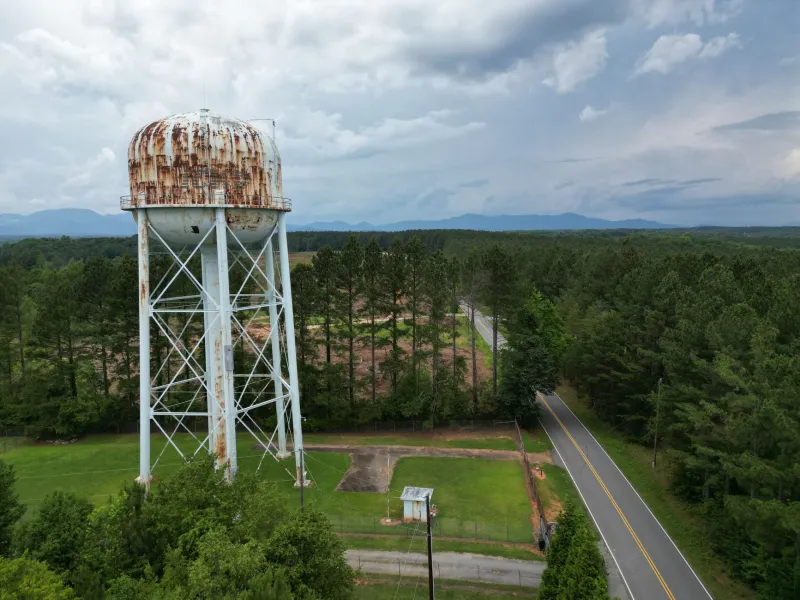
A freshly painted tower with elaborate artwork suggested civic pride and economic stability. Faded paint or rust stains hinted at budget troubles. Towns that splurged on custom graphics — mascots, local landmarks, or clever slogans — were usually worth exploring. A tower that simply stated the town name in basic block letters often meant you'd find a sleepy main street with limited services.
The most telling details were in the specifics. A water tower proudly displaying "Home of the 1987 State Champions" revealed a community that peaked decades ago and might be struggling to move forward. But one advertising "Casey: Home of the World's Largest Rocking Chair" (yes, that's real) signaled a town actively working to attract visitors.
Reading Between the Lines
Experienced travelers developed sophisticated interpretations. Corporate sponsorship logos alongside town names — "Smallville: Proud Partner of John Deere" — indicated stable employment and business-friendly attitudes. Religious messages suggested conservative values and the likelihood of finding dry counties or early Sunday closures.
Height and construction style offered economic clues. Newer, taller towers meant growing populations that had outgrown older infrastructure. Multiple towers in view suggested either rapid expansion or municipal consolidation of smaller communities.
Even maintenance schedules told stories. A tower with fresh paint but outdated graphics meant practical leadership focused on function over flash. Conversely, elaborate new artwork on a clearly aging structure might indicate a town spending its last resources on appearances.
The Geography of Water Tower Culture
Different regions developed distinct water tower personalities. The Midwest embraced agricultural themes and high school sports championships. Western towns often featured historical references to mining, railroads, or Native American heritage. Southern communities frequently displayed religious messages or references to local festivals.
Texas, predictably, went bigger and bolder than anywhere else. The town of Paris painted their tower to look like the Eiffel Tower. Groom erected a 190-foot leaning water tower as a roadside attraction. These weren't just municipal utilities — they were statements of character visible from space.
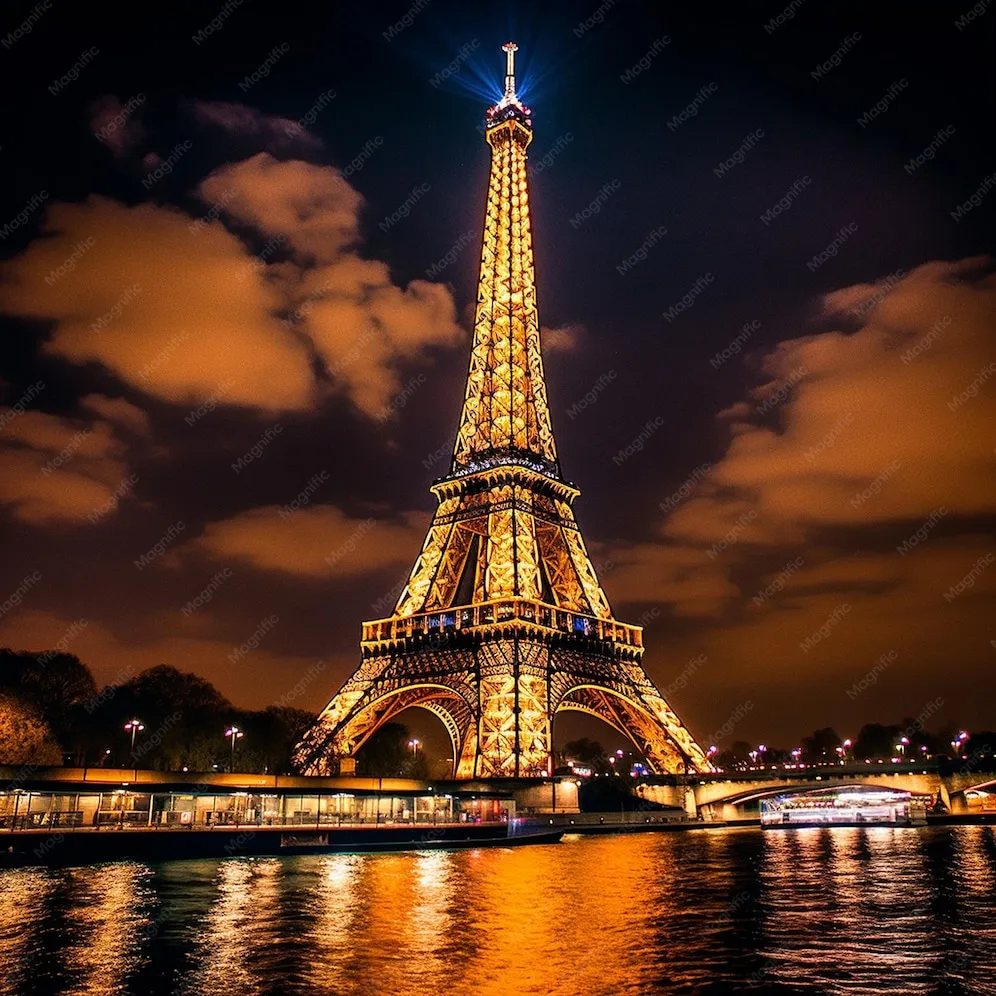 Photo: Eiffel Tower, via img.freepik.com
Some regions spawned competitive water tower arms races. Iowa communities tried to out-cute each other with increasingly elaborate corn, pig, and tractor designs. Small Wisconsin towns competed over cheese-themed artwork. The results created accidental folk art galleries stretching across entire states.
The Modern Revival of Tower Reading
While GPS killed practical water tower navigation, a dedicated community of enthusiasts has kept the tradition alive. The Water Tower Initiative documents towers across America, creating digital archives of this vanishing folk art. Road trip bloggers share "tower spotting" guides for different regions.
Some travelers still use water towers for old-fashioned route finding, especially in rural areas where GPS signals fade. The towers remain reliable landmarks, visible in weather that obscures other navigation aids. Unlike electronic systems, they never lose signal or run out of battery.
Modern tower reading has evolved beyond navigation. Photographers hunt for the most photogenic examples. Historians use them to trace community development patterns. Urban planners study them as examples of functional public art that actually serves the community.
The Stories They Still Tell
Today's water towers continue revealing community character. Recently painted towers often feature QR codes linking to town websites — a blend of old and new civic boosterism. Climate change messaging appears on towers in environmentally conscious communities. Some feature rotating advertisements for local businesses.
The most interesting developments might be the towers that deliberately break convention. The city of Collinsville, Illinois, shaped their tower like a giant ketchup bottle to honor their agricultural heritage. Others have embraced abstract art or hired professional muralists to create genuine artistic statements.
 Photo: Collinsville, Illinois, via images-wixmp-ed30a86b8c4ca887773594c2.wixmp.com
Navigation for the Curious
The next time you're driving unfamiliar highways, try reading the water towers. Look for fresh paint, creative graphics, and community messages. Notice which towns invest in elaborate designs versus basic functionality. Check whether the artwork matches the actual character you find when you stop.
You might discover that this forgotten navigation system still works remarkably well. Water towers remain honest broadcasters of community personality — no marketing budget required, no algorithm deciding what you see. Just honest civic pride painted large against the American sky, waiting for travelers curious enough to look up and decode the messages.
In our GPS-dependent age, water tower navigation feels like a lost art. But for those willing to learn the visual vocabulary, it's still one of the most reliable ways to read the character of American towns from miles away.