These Rural General Stores Refused to Die — So They Became Something Entirely Different
The Store That Shouldn't Still Be Open
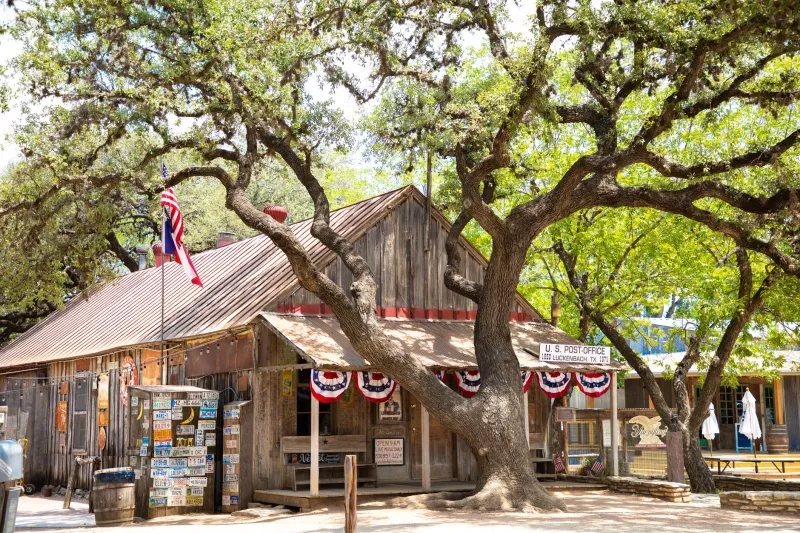
Pull up to Mast General Store in Valle Crucis, North Carolina on a Tuesday morning and you might think you've stumbled into a film set. The building has been in continuous operation since 1883. The floors creak. There's a barrel of dried beans near the door. But look closer and you'll notice something that doesn't fit the vintage aesthetic: locals aren't here for the ambiance. They're here because this place actually does things.
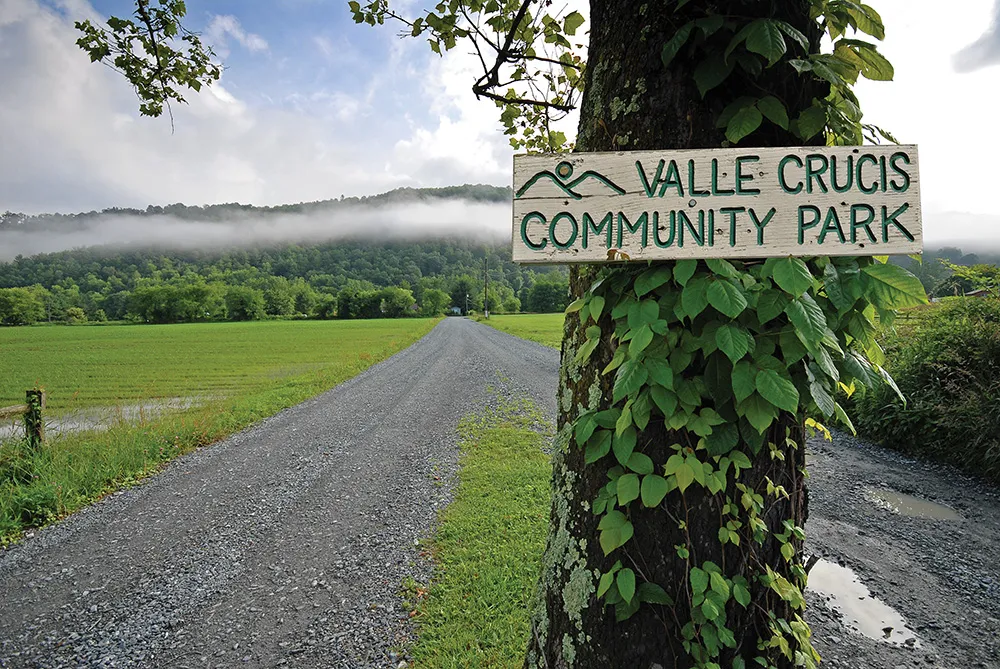 Photo: Valle Crucis, North Carolina, via www.vallecrucis.com
 Photo: Mast General Store, via athoscommerce.com
Mast General Store is one of a small number of American rural stores that survived the collapse of the general store era not by becoming a museum of itself, but by quietly expanding what it offered until it became genuinely irreplaceable to the community around it. It's a retail outlier, a cultural institution, and — according to researchers who study rural economic resilience — something that might be ahead of its time rather than behind it.
Why the General Store Was Always More Than Retail
To understand why these survivors matter, it helps to remember what the general store actually was before chain retail arrived.
For most of American history, the rural general store was the closest thing small communities had to a civic center. It was where you bought flour and fabric, yes — but also where you settled debts, got your mail, heard local news, borrowed seed for next season's planting, and sat by the stove arguing about politics. The storekeeper was often the de facto banker, extending credit to farming families between harvests. The store's porch was the town's public square.
When Walmart arrived in rural America and dollar stores followed, they could undercut on price but couldn't replicate any of that. The problem was that most general stores tried to compete on retail terms they couldn't win, rather than leaning into the functions that made them irreplaceable. The ones that survived figured out the difference.
Valle Crucis, North Carolina: The Store That Kept Adding
Mast General Store's longevity isn't accidental. When the Mast family recognized in the mid-20th century that competing on dry goods alone was a losing proposition, they didn't modernize in the conventional sense. They deepened their community function.
The store became a reliable source for hard-to-find outdoor and farm supplies that regional chains didn't bother stocking. It maintained relationships with local producers. It became a gathering point that visitors from Boone and Banner Elk made a point of stopping at — not for nostalgia tourism, but because the inventory was genuinely useful and the experience of being there was different from anywhere else.
Today, Mast operates several locations across the Carolinas, but the Valle Crucis original retains the quality that matters most: it's a place that serves a real function for real people, not a heritage brand performing authenticity for Instagram.
Westport, Missouri: When the Store Became the Town's Memory
A different kind of survival story plays out at smaller, less-visited stores scattered across the rural Midwest and South. In tiny communities where the post office closed and the bank branch left years ago, a handful of general stores quietly absorbed those functions.
In rural Missouri and Kentucky, researchers studying small-town economic resilience have documented stores that now serve as informal community hubs where residents pick up packages, share locally grown produce through informal seed and food exchanges, and access basic financial services through money order and bill payment terminals that replaced the bank. These aren't official programs — they evolved organically because the store was the last institution standing.
Rural sociologists call this "functional layering," and they consider it one of the more underappreciated survival strategies in American small-town life. The store didn't stay open by being a store. It stayed open by becoming whatever the community needed it to be.
The Seed Library Twist Nobody Saw Coming
Perhaps the most surprising evolution happening inside some surviving general stores is the emergence of informal seed libraries — collections of open-pollinated and heirloom seeds that community members can borrow, grow, and return at the end of the season.
This isn't a new concept in urban progressive circles, where seed libraries have been popular for years. But in rural communities, it's happening inside old general stores with almost no fanfare, and it connects directly to the store's original agricultural function. The 19th-century general store was where farmers bought seed on credit. The 21st-century version, in a handful of towns, is where they borrow heritage varieties and share knowledge about what grows well in local soil.
For researchers focused on rural food sovereignty and agricultural biodiversity, this is a genuinely significant development hiding in plain sight.
What Rural Revival Researchers Are Noticing
Academic interest in these surviving stores has grown quietly over the past decade. Programs at land-grant universities studying rural economic development have begun documenting the general store model as an example of what researchers call "anchor institution" thinking — the idea that a single community institution, flexible enough to serve multiple functions, can hold a small town's social fabric together in ways that individual businesses cannot.
The appeal to small-town entrepreneurs is practical. A general store that also handles package pickup, hosts a monthly farmers market, and operates a small community lending library has multiple revenue streams and multiple reasons for people to walk through the door. It's a diversified community asset, not just a shop.
Some rural revitalization consultants are now actively pointing to surviving general stores as models worth studying — not for their vintage aesthetic, but for their operational logic.
The Remark Worth Making
There's something quietly subversive about these stores. In an era obsessed with disruption and innovation, the most durable community institution in rural America survived by doing the opposite of what business culture usually recommends: it stayed put, stayed local, and kept adding layers of usefulness until no one could imagine the town without it.
The general store was never just a place to buy things. The communities that remembered that turned out to be the ones that kept theirs open.
Next time you're driving through a small town and spot a weathered storefront with a hand-lettered sign, it might be worth stopping. You never know what it's become.