Before Air Conditioning, Americans Walked the Heat Away Every Night — and Urban Scientists Want to Know Why It Worked
The Night the City Exhaled
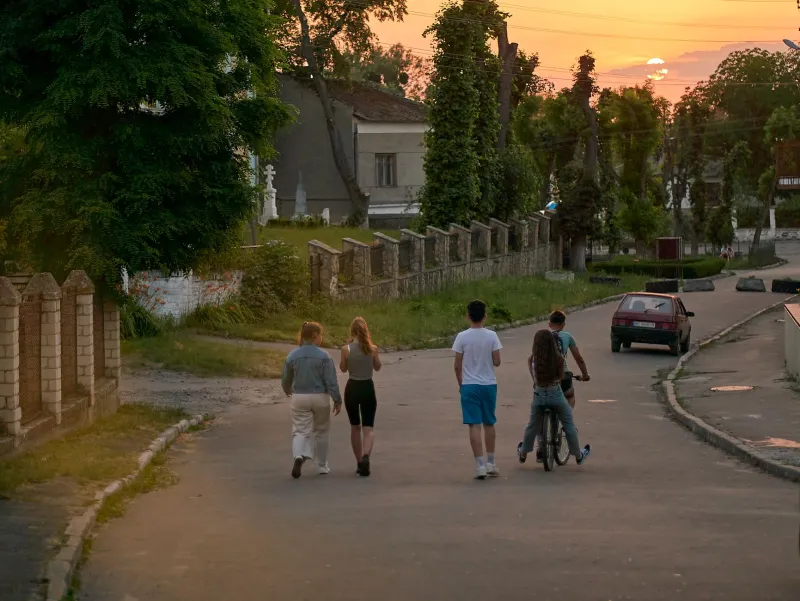
Sometime around 9 p.m. on a July evening in 1903, the sidewalks of Baltimore came alive. Not with commerce or urgency — with something slower and more deliberate. Families emerged from row houses, couples stepped off front stoops, and neighbors fell into easy conversation as they drifted along tree-lined streets toward the park. They weren't going anywhere in particular. They were cooling down.
This was the American cooling walk — a nightly ritual practiced across cities from Philadelphia to New Orleans to Chicago for decades before air conditioning made the whole thing feel unnecessary. And while it largely vanished from daily life by the mid-20th century, a quiet group of urban heat researchers and city planners are starting to wonder if we made a serious mistake letting it go.
What a Cooling Walk Actually Was
The term "cooling walk" doesn't appear in any official dictionary, but the practice was well understood by the people who did it. In the era before electric fans were common and long before central air existed, surviving a summer in an American city meant managing heat strategically. Tenement apartments and row houses absorbed the day's sun and radiated it back through the night. Going inside after sunset often meant stepping into a room hotter than the street.
So people didn't go inside — not right away. They walked.
But these weren't random wanderings. Residents knew their neighborhoods' thermal geography the way a sailor reads wind. Certain streets held shade longer after dark. Certain parks had reliable breezes off nearby water. Certain corridors — often lined with mature elms or oaks — stayed measurably cooler than the surrounding blocks. People gravitated to these routes instinctively, and over time, the routes became community institutions.
In cities like Cincinnati, Savannah, and Washington D.C., public parks were explicitly designed with evening pedestrian comfort in mind. Frederick Law Olmsted, the landscape architect behind Central Park, wrote extensively about the importance of urban greenways as "breathing corridors" — places that allowed city air to circulate and residents to physically decompress. What he was describing, in 19th-century language, was essentially a heat island mitigation strategy.
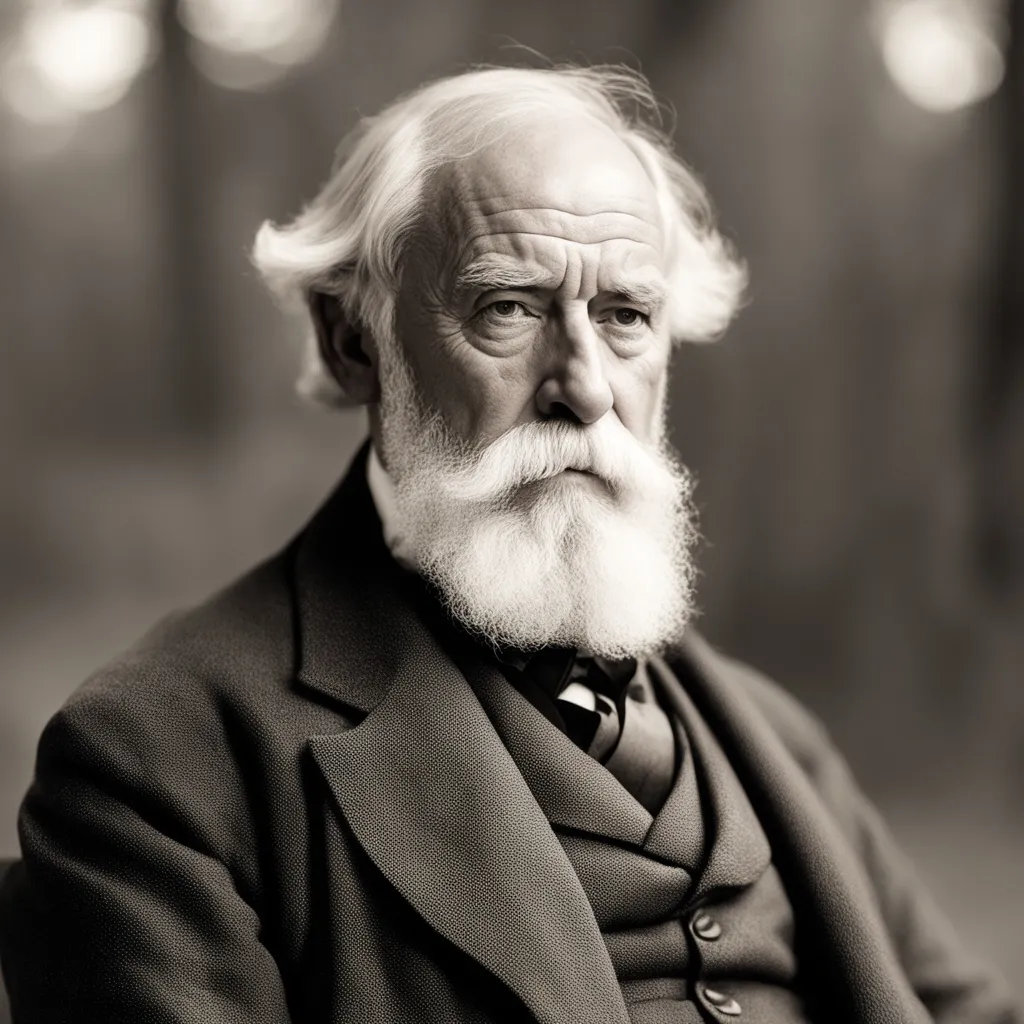 Photo: Frederick Law Olmsted, via images.deepai.org
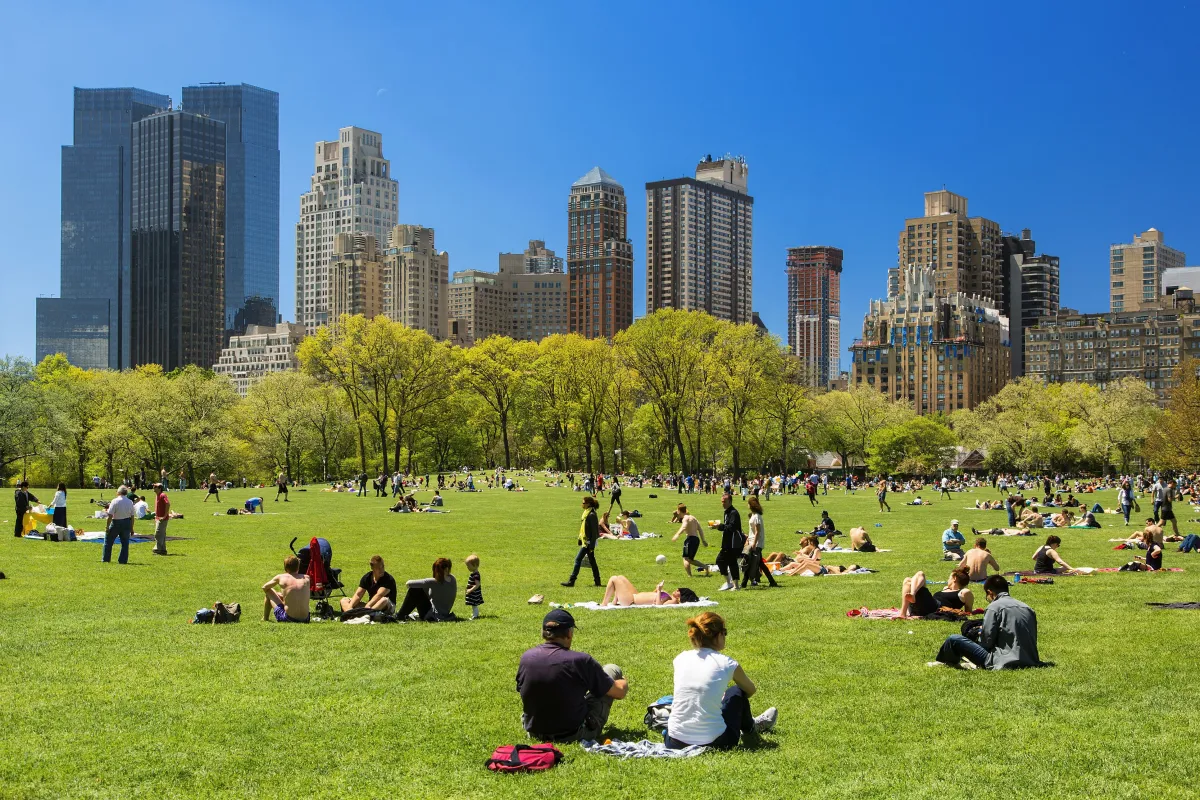 Photo: Central Park, via www.tripsavvy.com
The Science That Backs Up the Old Habit
Here's where it gets interesting. Modern urban heat researchers have started documenting what those evening walkers experienced by instinct.
Urban heat islands — the phenomenon where dense city environments trap and re-radiate heat far above surrounding rural temperatures — are well established science. What's less discussed is that the solutions aren't entirely new. Studies from institutions including the Urban Climate Lab at Georgia Tech have confirmed that tree canopy coverage, pedestrian corridors, and green space access can reduce ambient temperatures by four to seven degrees Fahrenheit in localized areas. That's not trivial. On a night when your apartment is 94 degrees, seven degrees is the difference between sleeping and lying awake until 3 a.m.
There's also the mental health dimension. Research published in the journal Environmental Health Perspectives found that evening outdoor activity in green spaces — even brief walks — measurably reduced cortisol levels and self-reported stress. Pre-air-conditioning Americans weren't just cooling their bodies on those nightly walks. They were doing something closer to what we'd now call active recovery.
And then there's the social piece. Cooling walks were communal by nature. You ran into your neighbors. You checked on the elderly woman two doors down. You let the kids run in the park while the adults talked. Urban sociologists have noted that the erosion of these informal street-level interactions — accelerated by air conditioning pulling everyone indoors — correlates with measurable declines in neighborhood social cohesion. The cooling walk wasn't just a heat management tool. It was social infrastructure.
The Neighborhoods That Still Have the Bones
Not every American city paved over its cooling corridors. Walk through Savannah's historic district on a summer evening and you'll notice something: the squares work. The city's famous grid of 22 park squares — designed in the 18th century — still functions as a thermal relief system, channeling shade and breeze in ways that make evening pedestrian life genuinely pleasant even in Georgia July heat.
Similarly, older neighborhoods in cities like Louisville, New Orleans, and Portland (Oregon) retain the mature tree canopy and connected green corridors that made cooling walks viable. Residents in these areas often describe evening walking habits without realizing they're participating in something with a long history — they just know it feels good to be outside after dark in summer.
Urban planners in Phoenix — arguably the American city most desperate for heat solutions — have begun studying these historical models. The city's "Cool Corridors" initiative, still in early stages, explicitly references pre-air-conditioning urban design as a reference point for creating shaded pedestrian routes that might make outdoor life survivable as temperatures continue to climb.
Why This Matters Right Now
The timing of this rediscovery is not accidental. American cities are facing summer heat records that would have been unthinkable a generation ago. Phoenix hit 110 degrees for 31 consecutive days in 2023. Chicago, Dallas, and Atlanta are all expanding their urban heat island monitoring programs. And public health officials are increasingly focused not just on extreme heat events, but on the chronic toll of elevated nighttime temperatures on sleep, cardiovascular health, and mental wellbeing.
Air conditioning helps — but it's also part of the problem, dumping waste heat into streets already struggling to cool overnight. The old cooling walk, it turns out, was a zero-energy solution that worked with urban physics rather than against it.
There's something quietly remarkable about that. A habit practiced by working-class families in Baltimore and New Orleans a hundred years ago — not because anyone told them to, but because it worked — is now being studied as a legitimate model for 21st-century climate adaptation.
The Simplest Rediscovery
You don't need a city initiative or a research grant to try this. Find the shadiest street in your neighborhood. Wait until after 8 p.m. Walk slowly. Notice where the air moves and where it doesn't. Bring a neighbor if you can.
Americans figured this out once before. We just forgot we knew it.