New York Once Grew Food on Its Rooftops to Feed the Poor — and the Idea Worked Better Than Anyone Expected
The Farm Nobody Talks About
In the summer of 1902, a rooftop in the Lower East Side of Manhattan was growing tomatoes. Not one rooftop — dozens. Organized by settlement house workers, civic reformers, and at least one unusually determined city official, New York's tenement rooftop garden movement had quietly become one of the most practical social experiments the city had ever attempted. It produced measurable food yields. It reduced heat stress in overcrowded buildings. It gave children who had never seen a vegetable grow something to tend and watch.
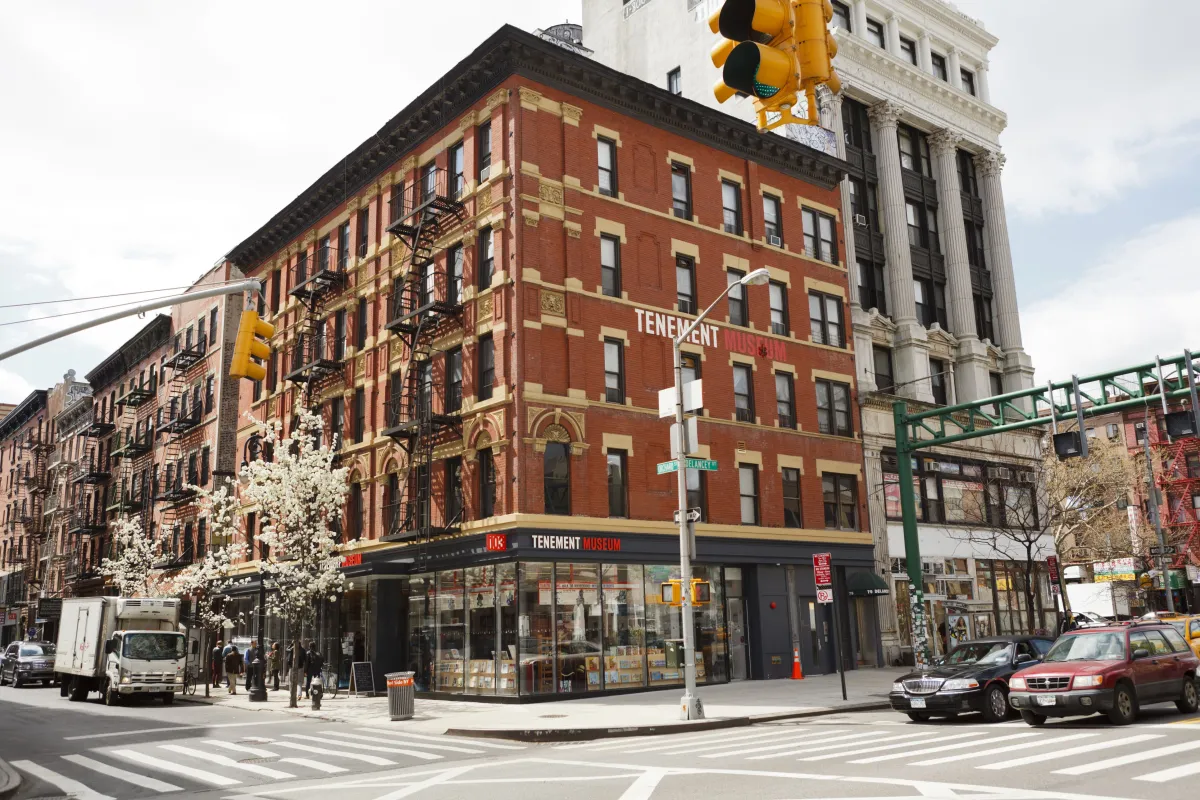 Photo: Lower East Side, via www.tripsavvy.com
And then, over the following decades, it was almost entirely forgotten.
Urban agriculture researchers studying modern food deserts and urban heat island problems are increasingly coming back to this chapter of American history — not out of nostalgia, but because it turns out the people doing it in 1902 solved several problems we're still arguing about today.
The Crisis That Started It
To understand why rooftop farming took hold in early 20th-century New York, you need to picture what the tenement districts actually looked like.
By 1900, Manhattan's Lower East Side was one of the most densely populated places on earth. Immigrant families — many newly arrived from Eastern Europe, Italy, and elsewhere — were packed into five- and six-story buildings with minimal ventilation, shared toilets, and no access to green space of any kind. Fresh produce was expensive, often of poor quality by the time it reached street carts, and entirely absent from the diets of the poorest residents.
Malnutrition was common. Heat-related illness in summer was routine. And the psychological toll of living without any contact with growing things — no yards, no parks within walking distance, no soil — was beginning to be documented by the era's progressive reformers, who were unusually attentive to what we'd now call environmental determinants of health.
The rooftop, it turned out, was the only available land.
The Reformers Who Pushed It Through
The rooftop garden movement didn't emerge from city government — it was pushed into existence by the settlement house network, a remarkable collection of social reform institutions that operated in poor urban neighborhoods across America in the late 19th and early 20th centuries.
In New York, figures connected to the settlement house movement began organizing rooftop growing programs in the late 1890s, initially as educational projects for children. The logic was simple: kids who grew food understood where it came from, were more likely to eat vegetables, and gained a sense of agency that tenement life didn't otherwise offer.
But the programs quickly became something more practical. Settlement workers documented that rooftop gardens, when properly managed, could produce meaningful quantities of food — enough to supplement household diets in measurable ways. Tomatoes, beans, lettuce, and herbs were the most common crops, chosen for their tolerance of container growing and limited soil depth.
By the early 1900s, the movement had attracted support from city officials including members of the Department of Parks and several progressive-era politicians who saw urban agriculture as a legitimate poverty intervention, not a curiosity. Some tenement buildings were retrofitted with basic irrigation infrastructure. Rooftop growing competitions were organized. Local newspapers covered the harvests.
What the Data Actually Showed
Here's the part that surprises most people who encounter this history: it worked.
Contemporary accounts and settlement house records document real food yields from Manhattan rooftops during the peak years of the program. One settlement house report from 1903 described a single rooftop plot producing enough tomatoes and beans over a growing season to meaningfully supplement the diet of two families. Scaled across dozens of participating buildings, the aggregate output was substantial.
Beyond food production, reformers noted effects that modern researchers would recognize immediately. Buildings with rooftop gardens reported lower interior temperatures during summer months — the plants providing insulation and evaporative cooling that reduced the heat load on upper-floor apartments. Residents with access to the gardens reported improved mood and reduced anxiety. Children who participated in growing programs showed better school attendance and engagement.
These weren't controlled clinical trials. But the observations were consistent enough across multiple settlement houses that they were taken seriously by the era's public health community.
Why It Disappeared
The rooftop garden movement didn't die from failure. It died from a combination of forces that had nothing to do with whether it worked.
As the 20th century progressed, several things happened simultaneously. The settlement house movement lost political momentum as federal social programs expanded. New zoning regulations and building codes — written without rooftop agriculture in mind — created legal ambiguity around the practice. Cheap industrially produced food became more available, reducing the urgency of local production. And the cultural narrative around urban improvement shifted toward modernization rather than adaptation, favoring new construction over creative use of existing space.
The rooftops didn't go away. The gardens on top of them did.
The Blueprint Researchers Are Dusting Off
Fast forward to the present, and the problems the 1902 reformers were trying to solve look remarkably familiar.
Urban food deserts — neighborhoods where fresh produce is scarce and expensive — affect millions of Americans, disproportionately in dense urban areas. Urban heat islands are intensifying as climate change pushes summer temperatures higher and rooftop surfaces absorb and re-radiate heat through the night. The mental health toll of living without access to green space is now extensively documented in peer-reviewed literature.
Urban agriculture researchers at institutions including Cornell University's College of Agriculture and Life Sciences and the University of Vermont's food systems program have begun explicitly referencing early 20th-century rooftop farming as an underexamined historical model. The argument isn't that we should recreate 1902 exactly — it's that the fundamental logic was sound and the abandonment of the practice was a historical accident rather than a rational conclusion.
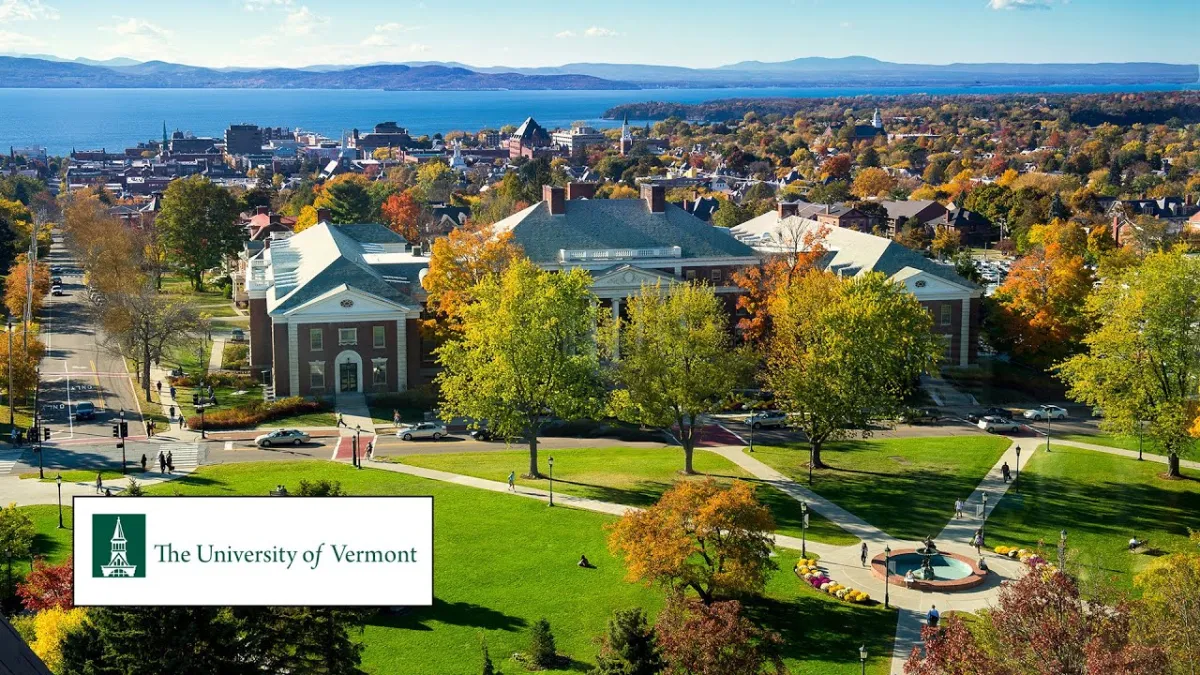 Photo: University of Vermont, via i.ytimg.com
Modern rooftop farming in cities like New York, Chicago, and Detroit has been growing for years, but it tends to be framed as a new innovation rather than a revival. Researchers studying the history argue that framing matters — that understanding rooftop agriculture as a proven model with documented results, rather than an experimental idea, changes how cities and developers approach it.
The Discovery That Keeps Surfacing
There's a recurring pattern in urban history where practical solutions to serious problems get abandoned not because they failed, but because the cultural moment that made them visible passed. The rooftop gardens of New York's tenement era are a clear example.
The tomatoes that grew on those Lower East Side rooftops in 1902 were a genuine response to genuine need, organized by people who were paying close attention to what the city required. They didn't have the language of food sovereignty or urban heat mitigation. They just knew the rooftop was there, the need was real, and the growing season was long enough to make it worth trying.
It worked then. The question researchers are asking now is why we waited a century to remember it.