The Invisible Restaurants: America's Secret Diners That Survive Without Signs
The Art of Invisible Dining
There's a restaurant in Detroit's Corktown neighborhood that serves some of the city's best soul food. Locals line up for the fried chicken and mac and cheese, but if you're driving by, you'd never know it exists. No sign hangs outside. No logo marks the door. Just a modest storefront with steamed-up windows and the smell of something incredible drifting onto the sidewalk.
This isn't an accident or oversight—it's a deliberate choice that dozens of American restaurants have made, creating an invisible network of eateries that survive entirely on reputation and community connection.
Why Some Restaurants Choose Invisibility
The reasons behind sign-free dining vary, but they often start with practical concerns that evolve into philosophy. Some owners discovered that removing exterior signage eliminated certain types of customers while strengthening relationships with regulars.
"When we took down our sign, we stopped getting the people who just wanted to complain about everything," explains Rosa Martinez, who runs a small Mexican restaurant in San Antonio that's been sign-free for twelve years. "Now everyone who comes in was brought by someone who cares about this place."
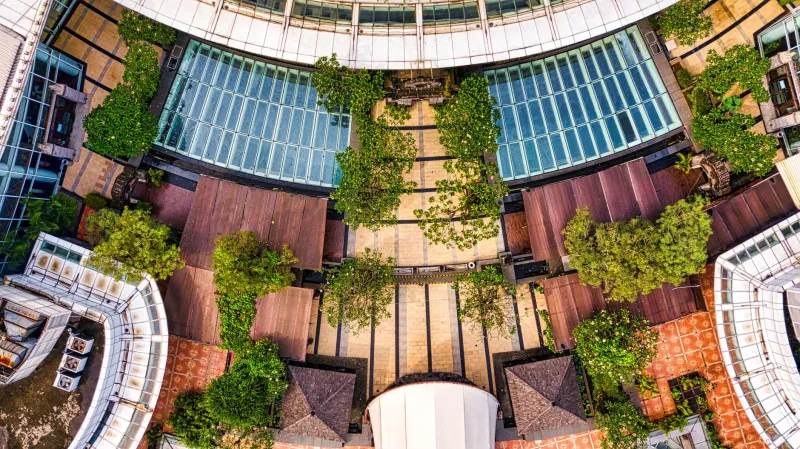
 Photo: San Antonio, via img.freepik.com
Others cite cost savings—commercial signage can be expensive to install and maintain, especially in historic districts with strict regulations. But what began as budget constraints often becomes a point of pride.
Some sign-free establishments emerged from necessity during tough economic times. A Greek diner in Chicago's Albany Park removed its sign during the 2008 recession to avoid a landlord dispute, then discovered the anonymity actually improved the dining experience. Regular customers felt more ownership of "their" secret spot.
The Underground Network
These invisible restaurants exist in every major American city, though finding them requires a different kind of navigation. In New Orleans' Bywater district, a Vietnamese restaurant operates out of what looks like someone's living room—no sign, just a screen door and incredible pho. San Francisco's Mission District hides a pupuseria behind an unmarked door that locals identify by the sound of masa being patted into shape.
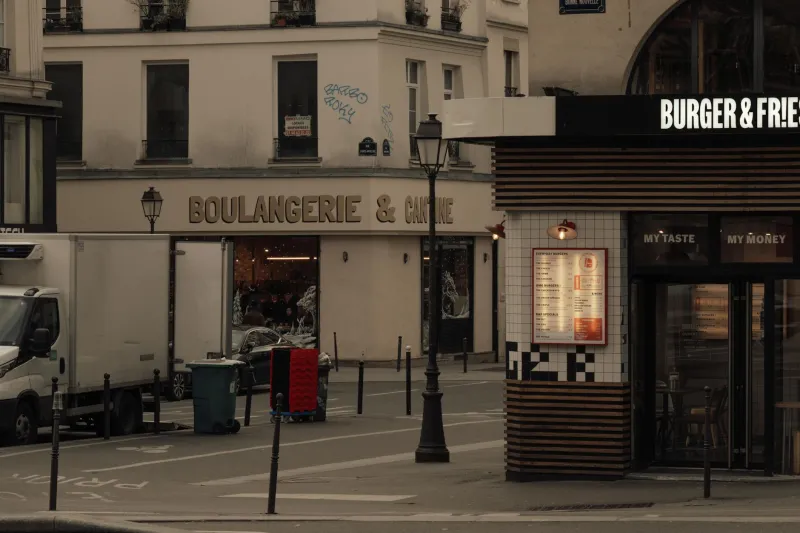
 Photo: New Orleans, via www.suva.ch
New York probably has the highest concentration of sign-free eateries, particularly in Queens and Brooklyn. Some operate from residential buildings, others from industrial spaces that officially aren't restaurants at all. One legendary spot in Flushing serves hand-pulled noodles from what appears to be an office building lobby.
The common thread isn't cuisine type or price point—it's the relationship between establishment and community. These places function more like neighborhood kitchens than commercial restaurants.
The Economics of Invisibility
Operating without exterior marketing might seem like business suicide, but these restaurants often enjoy advantages that traditional establishments lack. Without advertising costs or the pressure to attract random foot traffic, they can focus entirely on food quality and regular customer relationships.
"My customers are my advertising department," says James Chen, whose Chinese restaurant in Seattle's International District has operated sign-free for eight years. "They bring their friends, their family, their coworkers. Everyone who eats here was invited by someone who already loves this place."
This word-of-mouth model creates remarkably stable customer bases. Regular customers often become informal partners, bringing ingredients from their gardens or helping with small repairs. The relationship transcends typical restaurant dynamics.
Many sign-free establishments also avoid the feast-or-famine cycles that plague restaurants dependent on reviews and social media buzz. Their business stays consistent because it's built on genuine community need rather than trending algorithms.
How to Find America's Hidden Restaurants
Discovering sign-free restaurants requires old-school detective work. The best strategy involves befriending locals in neighborhoods with high immigrant populations or strong working-class communities—these areas often harbor the most authentic hidden gems.
Look for buildings with unusual foot traffic patterns. If you see people entering what appears to be a residential or office building carrying takeout containers, investigate. Follow your nose—amazing food smells rarely lie.
Local ethnic grocery stores often know about nearby invisible restaurants. The owners frequently eat at these places themselves and can provide introductions. Similarly, taxi drivers and delivery workers maintain mental maps of the best unmarked eateries.
Social media can help, but requires careful searching. These places rarely have official accounts, but they appear in tagged photos and local food groups. Search for phrases like "hidden gem" or "locals only" combined with neighborhood names.
The Future of Invisible Dining
In an age where restaurants live and die by online reviews and Instagram presence, sign-free establishments represent a counter-trend toward authentic local culture. They prove that genuine quality and community connection can still triumph over marketing algorithms.
Some urban planners view these invisible restaurants as indicators of neighborhood health—they only survive in communities with strong social networks and pedestrian cultures. Their presence suggests that residents know each other well enough to share recommendations and support local businesses through word-of-mouth alone.
As commercial rents rise and restaurant competition intensifies, more establishments might embrace invisibility as a survival strategy. The model works particularly well for family operations focused on specific communities rather than broad appeal.
The Real Secret Ingredient
Ultimately, America's sign-free restaurants succeed because they've maintained something the modern food industry often loses—genuine connection between food, place, and community. They remind us that the best discoveries still happen through human recommendation rather than algorithmic suggestion.
In a world where everything is searchable, findable, and reviewable, these invisible restaurants preserve the joy of true discovery. They're hiding in plain sight, waiting for someone who cares enough to look beyond the obvious and ask the right questions.