The Honor System Highways: When America's Roadside Ran on Trust and Shared Beans
The Campfire That Fed a Nation
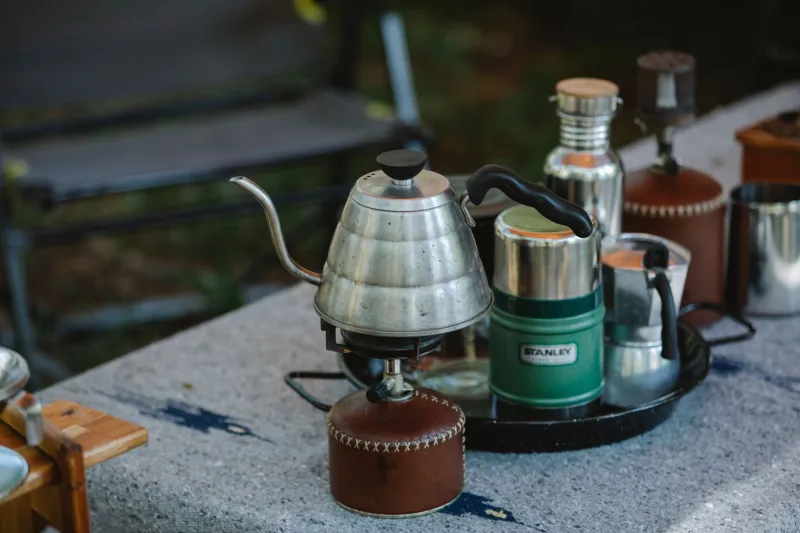
Somewhere along a dusty Colorado road in 1923, a traveling salesman pulled his Model T beside a circle of stones surrounding cold ashes. Inside the ring, he found a coffee pot, a cast iron skillet, and a hand-lettered sign: "Help yourself. Leave it better. Pass it on." By evening, he'd prepared beans and bacon for himself and three other travelers who'd stopped at the same informal roadside kitchen. None of them had ever met before. All of them left feeling fed and somehow renewed.
This wasn't an isolated incident. Across rural America in the early automobile era, hundreds of these honor-system cooking stations sprouted along popular routes, sustained entirely by the unspoken social contract between strangers on the road.
When the Highway Was a Community Kitchen
Before roadside diners and fast food chains, early motorists faced a genuine challenge: how to eat while traveling through vast stretches of countryside with no services. The solution emerged organically from American frontier traditions of mutual aid and traveler hospitality.
Roadside cooking stations typically started when someone — often a local farmer or previous traveler — would clear a space, arrange stones for a fire ring, and leave basic cooking implements. Word spread through informal networks of frequent travelers, and these spots became regular stops on cross-country routes.
The unwritten rules were surprisingly consistent across the country. Travelers were expected to contribute something — food, firewood, or labor. You cleaned up after yourself and left the site better than you found it. Most importantly, you shared whatever you cooked with other travelers who arrived while you were there.
The Etiquette of Roadside Sharing
These weren't chaotic free-for-alls. Elaborate social protocols governed the cooking stations, passed down through traveler word-of-mouth like oral tradition. The first person to arrive would start the fire and begin cooking. Newcomers would offer to contribute ingredients or help with preparation. Everyone ate together, regardless of social class or background.
Meal planning became collaborative. Someone might contribute canned beans while another provided fresh bread from the last town. A third traveler might have coffee or vegetables from their own garden. The result was often better than what any individual could have prepared alone.
Conversation flowed naturally around shared meals. Travelers exchanged road conditions, weather reports, and recommendations for routes ahead. Business cards were traded. Sometimes lasting friendships formed between people who might never have spoken under normal circumstances.
The Geography of Trust
These informal kitchens clustered along specific routes where travelers regularly stopped — mountain passes, river crossings, and junctions between major roads. Some locations became so well-established that they featured permanent improvements: covered cooking areas, picnic tables, even basic shelters.
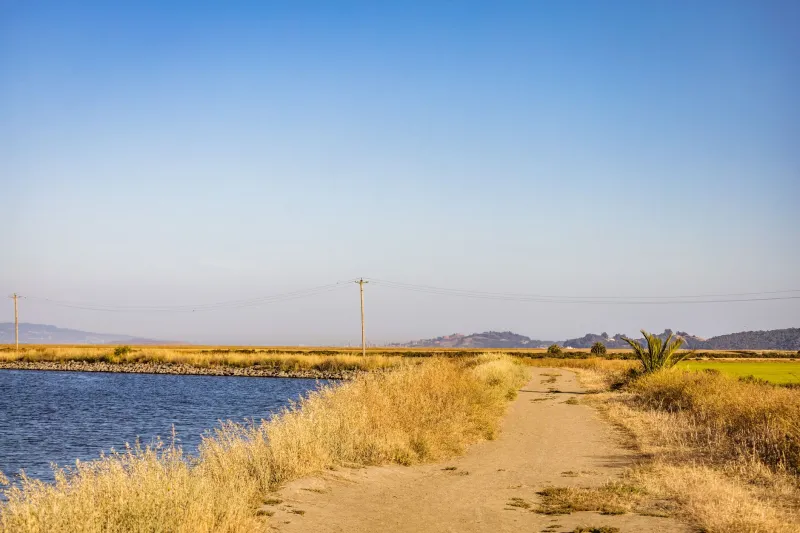
The Western states saw the most elaborate networks, partly because of longer distances between towns and partly because of stronger frontier traditions of mutual aid. Route 66 had dozens of these stations before motels and restaurants filled in the gaps. The Lincoln Highway featured famous cooking stops that travelers planned entire trips around.
 Photo: Lincoln Highway, via cdn-static.wework.com
Local communities sometimes adopted roadside stations, providing maintenance and occasional supplies. This wasn't charity — the stations brought travelers through their areas, some of whom would stop in town for fuel, supplies, or overnight accommodation.
Why the System Worked
The honor system succeeded because it aligned individual self-interest with community benefit. Travelers who maintained the stations well could count on finding them in good condition during future trips. Those who abused the system quickly discovered that word spread through traveler networks, and they might find themselves unwelcome at future stops.
The temporary nature of the interactions also helped. Unlike permanent communities where conflicts could fester, roadside encounters were brief and focused on immediate practical needs. People could set aside differences to accomplish the shared goal of preparing and sharing a meal.
Most importantly, the system operated during an era when automobile travel was still an adventure that created natural bonds between participants. Early motorists faced real challenges — mechanical breakdowns, poor roads, limited services — that made mutual support feel essential rather than optional.
The End of the Road
The roadside cooking network largely disappeared by the 1940s, killed by the same forces that transformed American travel. Improved highways made faster travel possible, reducing the appeal of leisurely roadside stops. Chain restaurants and motels provided predictable, convenient alternatives. Increased traffic made informal gathering spots feel less safe.
World War II delivered the final blow by restricting civilian travel and redirecting resources toward military infrastructure. When normal travel resumed, America had become a different country — more prosperous, more mobile, and more focused on speed and efficiency than community and connection.
The Quiet Revival
Today, a small but growing community of travelers is experimenting with modern versions of roadside cooking stations. Groups like "Campfire Collective" organize periodic gatherings at public campgrounds where participants share meals and stories with strangers. The "Pay It Forward Camping" movement encourages campers to leave firewood, supplies, or prepared meals for the next occupants of their campsite.
Social media has enabled coordination that was impossible in the original era. Private Facebook groups and Instagram accounts help organize impromptu cooking gatherings. Apps like "Campendium" and "iOverlander" include features for travelers to share resources and coordinate meetups.
The modern version isn't identical to the historical model — liability concerns, food safety regulations, and changed social norms all create constraints. But the core appeal remains: the possibility of genuine human connection through shared meals with strangers.
Lessons From the Fire Ring
The roadside cooking station tradition succeeded because it transformed necessary stops into opportunities for community building. Instead of viewing other travelers as competition for limited resources, the system encouraged viewing them as potential collaborators who could make everyone's journey better.
In our current era of polarized politics and social media echo chambers, there's something appealing about a tradition that brought strangers together around the simple shared tasks of building fires, preparing food, and cleaning up afterward. The roadside cooking stations proved that Americans could cooperate across differences when the structure encouraged it.
For modern travelers willing to slow down and engage with others, remnants of this tradition still exist. Public campgrounds, rest areas, and scenic overlooks occasionally host spontaneous gatherings where strangers share food and stories. The key is approaching these encounters with the same spirit of generosity and curiosity that kept the original roadside kitchens burning.
Sometimes the best way forward is to remember what worked in the past — even if it requires leaving the interstate and taking the slower road where strangers might still offer to share their beans around a campfire under the stars.