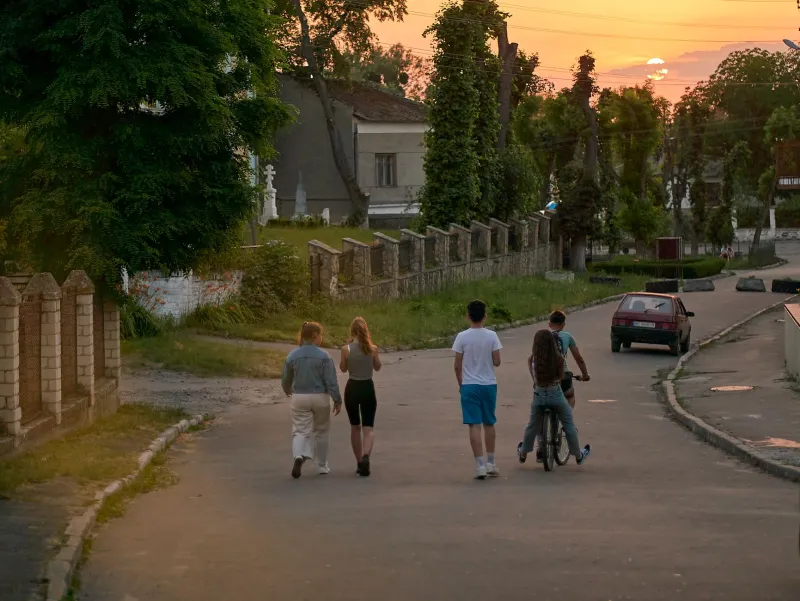
America's Lost Evening Ceremony: How Porch Sitting Built Better Neighborhoods
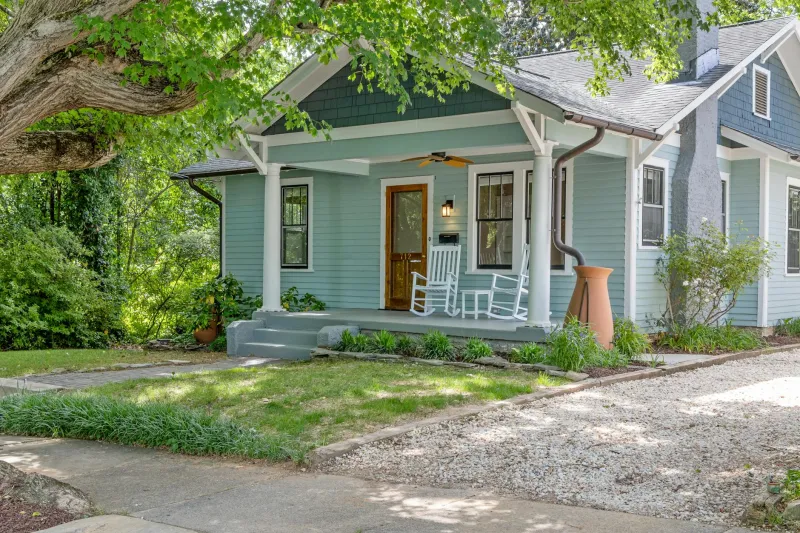
The Vanished Ritual That Built America's Neighborhoods
Every evening as the sun began to set, something magical happened across America. From the front porches of Brooklyn brownstones to the wide verandas of Southern farmhouses, families would emerge from their homes and simply... sit. They'd watch the street, wave to neighbors, and let conversations drift naturally from porch to porch. Children played in yards while adults caught up on the day's events. This wasn't entertainment—it was community.
This nightly ritual, known simply as "sitting out," was as American as apple pie until the 1950s. Then air conditioning arrived, television moved indoors, and suburbia spread families farther apart. Within a generation, one of America's most fundamental social customs had quietly vanished.
But not everywhere.
The Towns That Never Stopped
Drive through certain neighborhoods in Charleston, South Carolina, on a warm evening, and you'll witness something most Americans haven't seen in decades. Residents still emerge from their historic homes as the day cools, settling into rocking chairs and porch swings that have been there for generations. Conversations flow between houses, and newcomers are naturally drawn into the rhythm.
 Photo: Charleston, South Carolina, via blog-cms.socialinsider.io
"People think it's quaint, but it's actually practical," explains Margaret Thompson, who's lived on the same Charleston street for forty years. "You know who belongs and who doesn't. You know when Mrs. Patterson's grandson is visiting or when the Johnsons need help with their groceries. It's neighborhood watch without the formality."
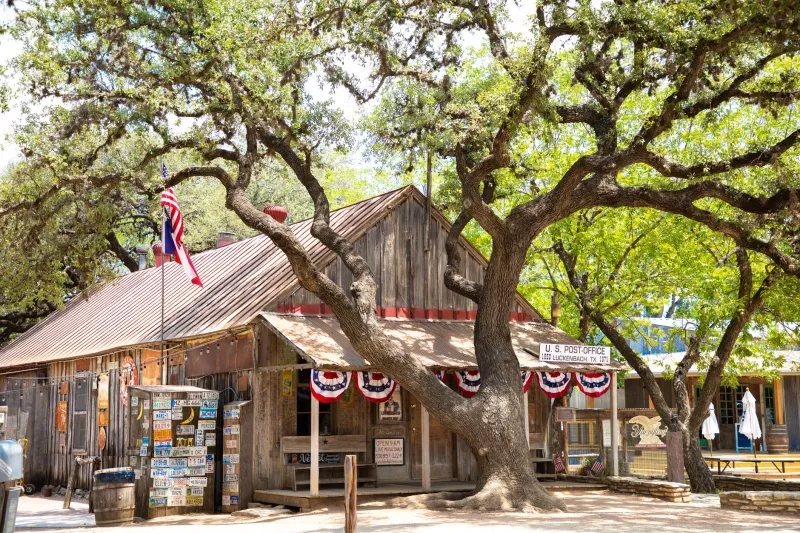
Similar scenes play out in small pockets across the country. The German-settled towns of central Texas still maintain strong "sitting out" traditions, particularly in places like Fredericksburg and New Braunfels. Parts of Lancaster County, Pennsylvania, where Amish and Mennonite communities never fully embraced air conditioning, continue the practice by necessity and choice.
 Photo: Lancaster County, Pennsylvania, via samchui.com
In these holdout communities, the evening ritual serves purposes that modern Americans are only beginning to rediscover.
What Science Says About Sitting Still
Recent research into social isolation and mental health has urban planners and psychologists taking a fresh look at this forgotten practice. Dr. Susan Pinker's work on social connections found that regular, low-key interactions with neighbors—exactly the kind that happen during "sitting out"—can be as beneficial for longevity as quitting smoking.
"There's something powerful about unstructured social time," notes Dr. Pinker. "When people sit outside their homes regularly, they create what sociologists call 'weak ties'—casual relationships that provide social support without the intensity of close friendships."
The practice also addresses what researchers call "nature deficit disorder." Even in urban environments, sitting outside provides exposure to natural light patterns, seasonal changes, and weather rhythms that indoor living disrupts.
The Modern Revival
Some communities are deliberately trying to bring back elements of the sitting out tradition. Portland, Oregon's "City Repair Project" encourages residents to reclaim street space for community gathering. Brooklyn's "Stoop Storytelling" events recreate the casual narrative sharing that once happened naturally on front steps.
Architects are also taking notice. New residential developments in places like Seaside, Florida, and Celebration, Florida, mandate front porches and limit garage prominence—design choices specifically intended to encourage the kind of street-facing social life that sitting out provided.
 Photo: Seaside, Florida, via img.phemex.com
"We've designed community out of our neighborhoods," explains urban planner Andrés Duany. "Wide streets, garage-dominated facades, air conditioning—they all work against the natural human tendency to gather and observe."
How to Rediscover the Practice
You don't need a historic porch to experiment with sitting out. Urban dwellers can try "stoop sitting" on front steps, or even positioning a chair near a front window with the window open. The key isn't the furniture—it's the intentional act of being present and available for spontaneous social connection.
Suburban residents might consider moving evening activities to front yards rather than back decks. Even fifteen minutes of visible presence can restart dormant neighborhood connections.
The Simple Power of Being Present
In an age of digital connection and climate-controlled comfort, the idea of sitting outside doing "nothing" might seem wasteful. But the communities that never stopped this practice suggest otherwise. They've maintained something most of America lost without realizing it—the simple art of being present in their own neighborhoods.
As Charleston's Margaret Thompson puts it: "People drive across the country to see historic neighborhoods, but they miss the most important part. The history isn't just in the buildings—it's in how people still use them."