When Strangers Became Family: The Lost Art of American Boarding House Living
The Dinner Bell That United Strangers
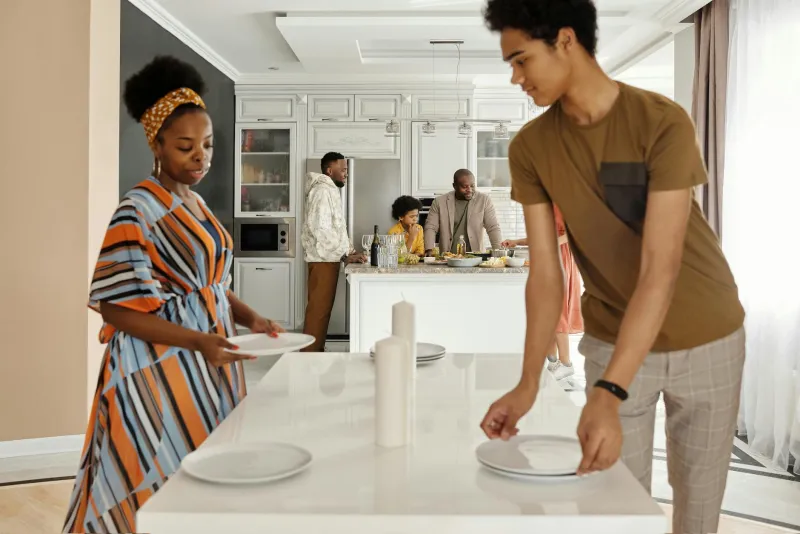
Every evening at six sharp, Mrs. Henderson would ring the brass bell that summoned twenty-three strangers to gather around her dining room table. A German baker sat next to an Irish seamstress. A traveling salesman carved roast beef while a young teacher poured coffee for a retired sea captain. This wasn't some utopian experiment — it was just Tuesday night at a typical American boarding house in 1895.
For nearly a century, boarding houses were the social infrastructure of American cities. They housed everyone from newly arrived immigrants to middle-class clerks, creating unlikely communities that social scientists now study as masterclasses in urban connection.
More Than Just a Roof
Boarding houses weren't hotels. They were temporary families with house rules, shared responsibilities, and evening rituals that naturally wove strangers into each other's lives. The typical setup included a private bedroom but everything else was communal — meals, parlors, front porches, and often a single bathroom down the hall.
What made them work wasn't just economics, though affordability certainly helped. It was the daily rhythms that forced interaction. Breakfast was served at seven, dinner at six, and the parlor was where residents gathered afterward to read newspapers aloud, play cards, or debate politics. Miss Sarah might teach piano while Mr. O'Brien shared stories from his latest sales route.
These weren't random encounters. Over months and years, genuine relationships formed across class lines that would have been impossible in other social settings. A wealthy widow might become surrogate mother to a young factory worker. An educated immigrant could practice English with native speakers over evening tea.
The Unspoken Rules of Boarding House Society
Every boarding house operated on invisible social contracts. Residents were expected to dress appropriately for meals, contribute to conversation, and respect shared spaces. House mothers — usually widowed women who owned the property — served as gentle enforcers of civility.
The rules weren't just about manners. They created a framework for people from vastly different backgrounds to coexist peacefully. Religious differences were set aside at dinner. Political arguments stayed friendly. Personal problems became community concerns, with residents often pooling resources to help someone through illness or unemployment.
Modern research on social capital shows these informal support networks were incredibly powerful. Boarding house residents had built-in job referral systems, emotional support during crises, and social connections that often lasted decades after they moved to independent housing.
Why They Vanished Almost Overnight
The boarding house era ended abruptly in the 1920s and 1930s, killed by a combination of rising wages, automobile culture, and changing social expectations. As Americans could afford private apartments, the appeal of shared living spaces evaporated. Cars meant workers could live farther from city centers. And the growing emphasis on nuclear family privacy made communal dining feel old-fashioned.
Zoning laws delivered the final blow. Many cities banned boarding houses outright, viewing them as outdated fire hazards that attracted "undesirable" residents. The few that survived were relegated to the margins — single room occupancy hotels that served mainly the very poor, stripping away the middle-class respectability that had made the original model work.
The Unexpected Revival
Today, as urban loneliness reaches epidemic levels, architects and urban planners are quietly studying boarding house design principles. Co-living spaces in cities like San Francisco and New York deliberately echo the old model — private bedrooms with shared kitchens, dining areas, and common rooms.
 Photo: New York, via www.hoodamath.com
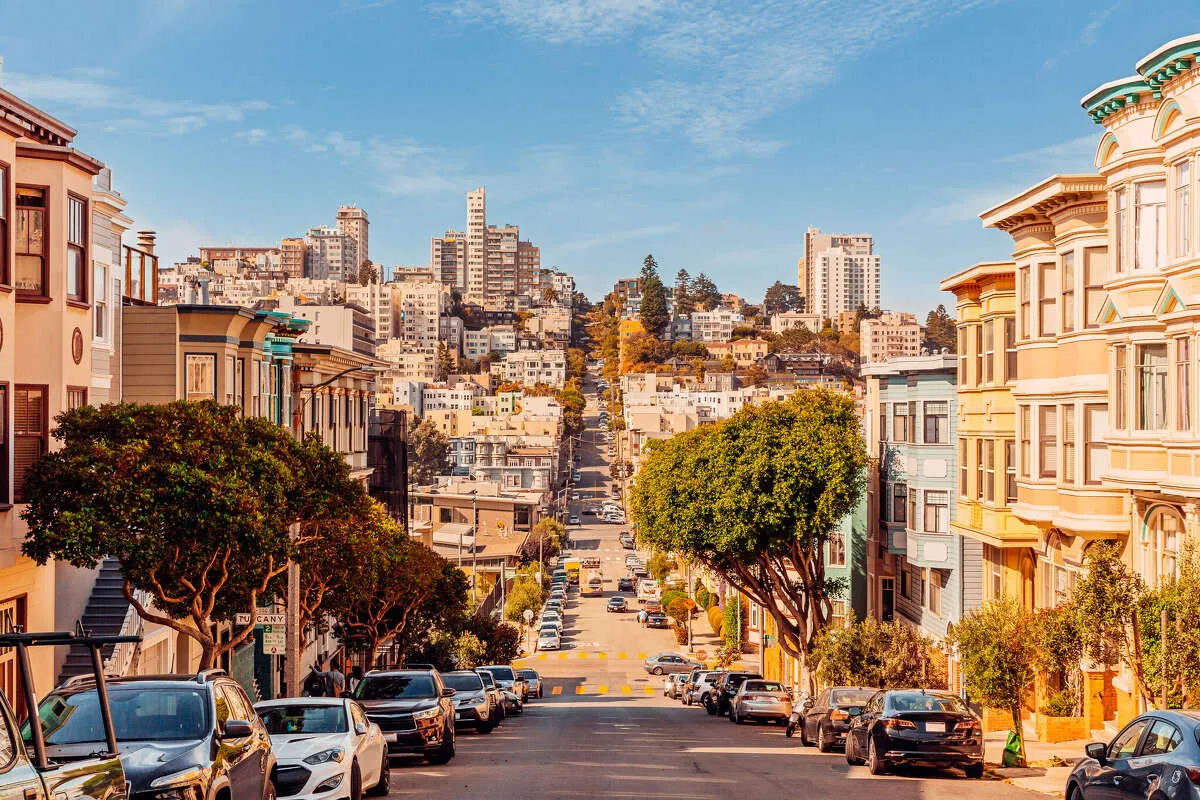 Photo: San Francisco, via s.hdnux.com
The startup Ollie operates "co-living" buildings that would be instantly recognizable to a 1900s boarding house resident. Tenants eat communal dinners, attend house meetings, and participate in planned social activities. The main difference? These modern versions cost $2,000 per month instead of $8 per week.
Some housing advocates argue for more radical approaches. The "boarding house renaissance" movement pushes cities to legalize modern versions as affordable housing alternatives. These wouldn't be luxury co-living spaces but genuine community-building tools for working-class residents.
Lessons From the Dinner Table
The boarding house model succeeded because it made social connection the default, not the exception. In our current housing landscape, isolation is built into the architecture. You can live in an apartment building for years without knowing your neighbors' names.
Boarding houses forced daily interaction through shared meals and common spaces. They created natural mentorship opportunities between older and younger residents. They provided safety nets through informal community support. Most importantly, they demonstrated that people from different backgrounds could not just coexist but genuinely care for each other when given the right structure.
As American cities grapple with loneliness, mental health crises, and social fragmentation, the humble boarding house offers a surprisingly relevant blueprint. Sometimes the cure for modern problems can be found in forgotten solutions, sitting dusty on history's shelf, waiting to be rediscovered.