When Ice Delivery Built America's First Social Network — The Forgotten Community Life of Frozen Water
When Ice Delivery Built America's First Social Network — The Forgotten Community Life of Frozen Water
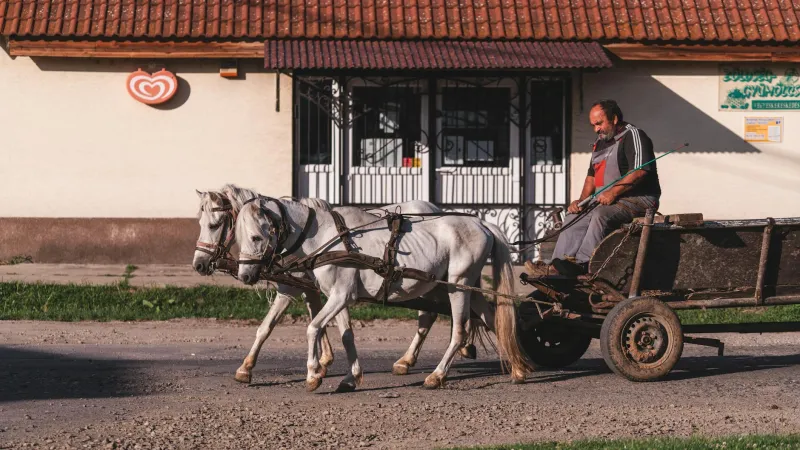
Every morning at 6 AM sharp, Charlie Kowalski would load his horse-drawn wagon with 300-pound blocks of ice and begin his rounds through Chicago's South Side neighborhoods. But the 50 pounds of frozen water he carried to each doorstep was just the beginning of his daily deliveries. By the time he returned to the depot each evening, Charlie had also transported marriage proposals, job leads, medical advice, small loans, and enough neighborhood gossip to fill a small newspaper.
Charlie wasn't unusual — he was just doing the job exactly as it was meant to be done in 1920s America.
The Ice Man as Information Highway
Before electric refrigeration reached most American homes in the 1930s, the ice delivery route functioned as the neighborhood's primary communication network. Ice men didn't just know who ordered what size block; they knew who was sick, who was looking for work, who had a daughter of marriageable age, and who might be falling behind on payments to the local grocer.
"The ice wagon was essentially a mobile community center," explains Dr. Sarah Mitchell, a urban historian at Northwestern University who has studied early 20th-century neighborhood networks. "These drivers spent 10-12 hours a day moving through the same streets, talking to the same families. They became involuntary experts on everyone's business."
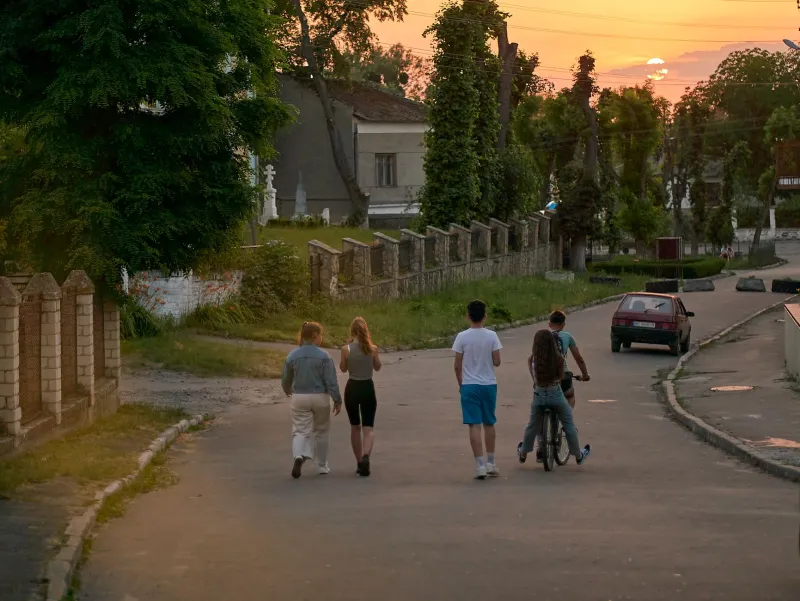
 Photo: Northwestern University, via wallpapers.com
The social protocol was surprisingly sophisticated. Ice men typically entered homes through kitchen doors — refrigerator units were heavy, awkward contraptions that required the delivery person to maneuver blocks into place. This granted them unusual access to domestic spaces and conversations. Housewives would time their morning routines around ice delivery, knowing it represented their best chance to catch up on neighborhood news.
The Economics of Frozen Social Capital
What made the ice trade particularly powerful was its economic reach. Ice wasn't a luxury — it was essential for food preservation, especially during summer months. This meant ice men interacted with families across all income levels, creating cross-class information flows that rarely existed elsewhere in early 20th-century America.
Many ice companies operated informal credit systems, allowing families to run tabs during difficult periods. Ice men became unofficial financial advisors, helping customers budget for seasonal ice needs and sometimes facilitating small loans between neighbors. Company records from the era show that ice debts were often settled through bartering — a day's labor, homemade goods, or services like laundry or childcare.
"They weren't just delivering a product," notes Mitchell. "They were managing a complex web of social and economic relationships that kept neighborhoods functioning."
The Overnight Disappearance
When electric refrigerators became affordable for middle-class families in the 1930s, the ice delivery network collapsed with stunning speed. Unlike other technological transitions that took decades to complete, ice delivery went from essential service to obsolete curiosity in less than ten years in most American cities.
The social consequences were immediate and largely unrecognized at the time. Neighborhoods that had relied on ice men for daily information exchange suddenly found themselves without their primary communication hub. The informal banking and credit systems disappeared. The cross-class social mixing that happened during ice delivery vanished.
Urban planners of the era celebrated electric refrigeration as a triumph of modern convenience — which it certainly was. But they failed to account for the social infrastructure that was being dismantled alongside the ice wagons.
Lessons from the Ice Age
Modern researchers studying community resilience have begun examining the ice delivery era as an early model of neighborhood-level social capital. The daily, routine nature of ice delivery created what sociologists call "weak ties" — casual but regular social connections that prove crucial during emergencies or economic stress.
"When we look at communities that weather crises well, they usually have some version of what the ice man provided," explains Dr. Robert Chen, who studies community networks at the University of Michigan. "Regular, cross-cutting social contact that builds trust and facilitates information flow."
Some modern examples echo the ice delivery model: mail carriers who check on elderly residents, coffee shop owners who serve as informal community bulletin boards, or neighborhood app platforms that facilitate local information sharing. But none quite replicate the daily, intimate access that ice delivery provided.
Rediscovering Frozen History
A few museums across the country have begun documenting ice delivery culture before the last generation of ice men passes away. The National Museum of American History recently acquired a complete ice wagon and is collecting oral histories from former ice delivery families.
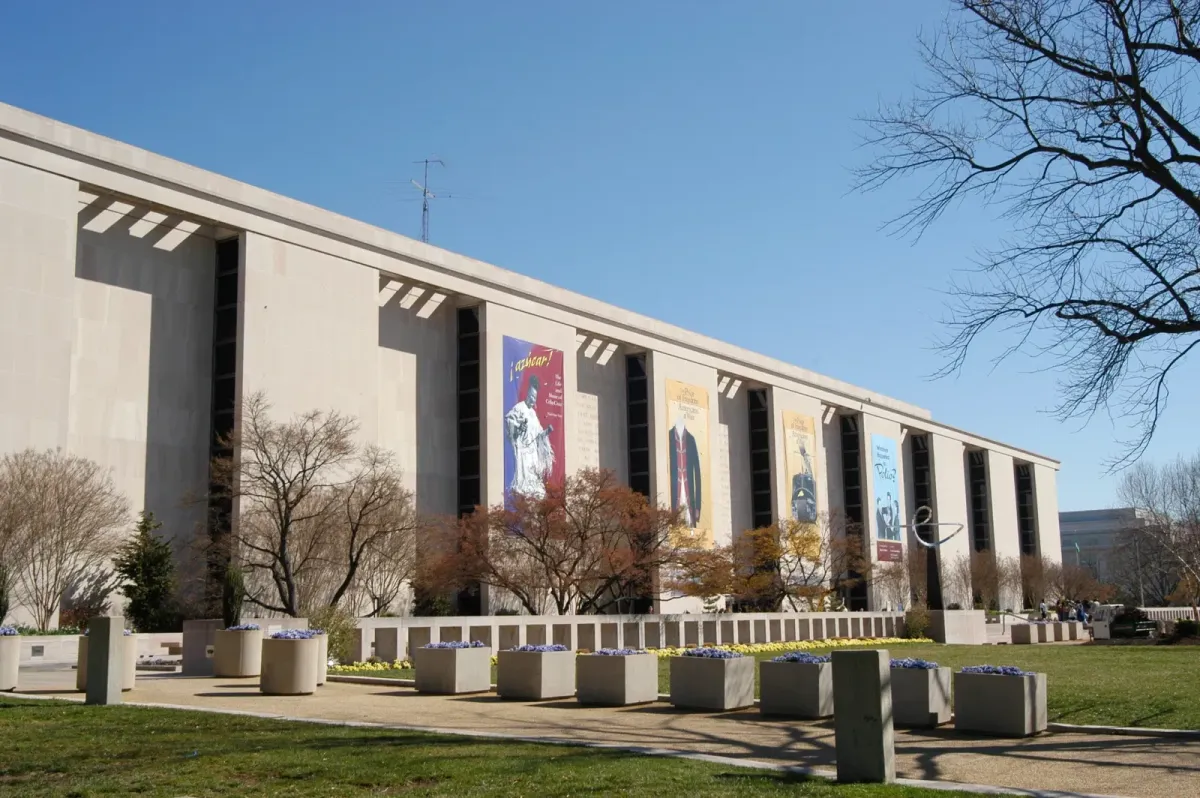 Photo: National Museum of American History, via image.wmsm.co
What emerges from these stories is a picture of American community life that was far more interconnected and interdependent than we typically imagine. The ice man wasn't just a quaint figure from a simpler time — he was a crucial node in a sophisticated social network that helped neighborhoods function as genuine communities.
Next time you open your refrigerator, it's worth remembering what we gained with electric cooling — and what we might have lost when the ice wagons rolled away for the final time.