Sleep in a Former Death Row Cell — America's Most Atmospheric Hotel Conversions Are Hiding in Plain Sight
Sleep in a Former Death Row Cell — America's Most Atmospheric Hotel Conversions Are Hiding in Plain Sight
The Liberty Hotel in Boston gets most of the attention for its jailhouse conversion story, but the most intriguing overnight experiences in former detention facilities aren't found in major cities. They're tucked away in small American towns where abandoned courthouses and county jails have been transformed into intimate boutique accommodations that most travelers never hear about.
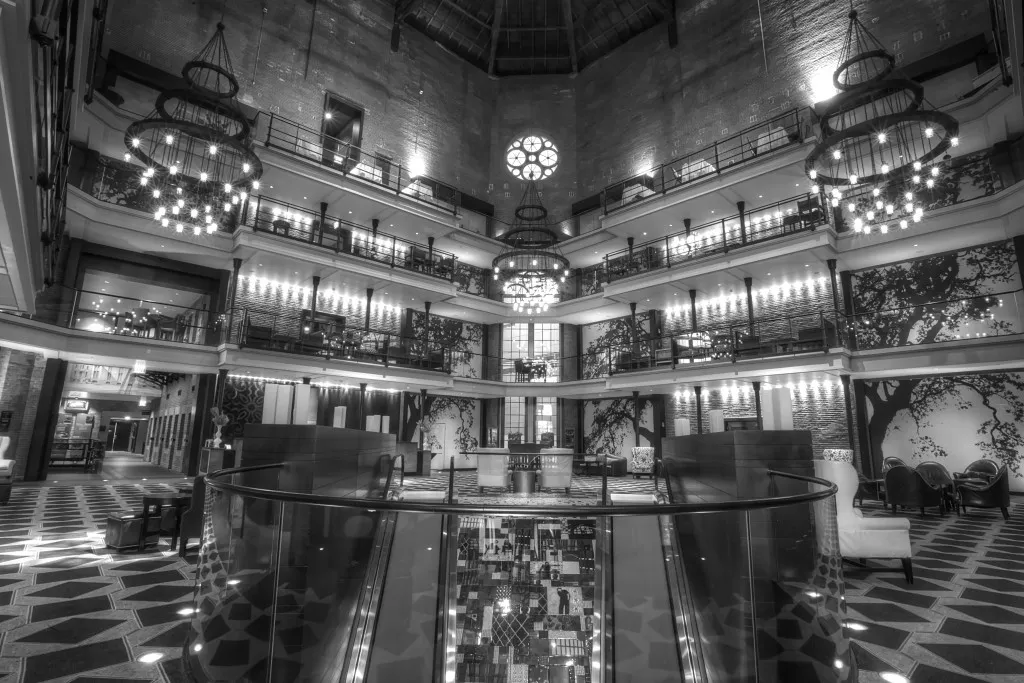 Photo: Liberty Hotel, via www.abpan.com
At the Jailhouse Inn in Preston, Minnesota, you can spend the night in what was once the town's maximum security cell block. The original iron bars remain intact, though they now frame king-sized beds instead of narrow cots. The morning coffee is served in the former booking area, and the continental breakfast happens in what used to be the sheriff's office.
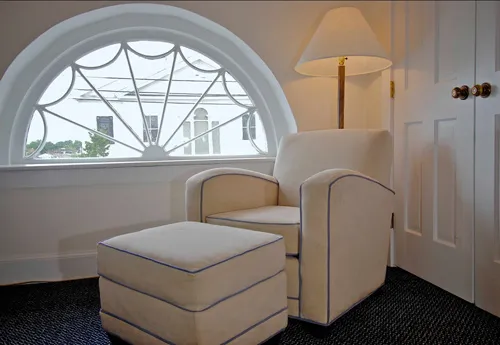 Photo: Jailhouse Inn, via www.newport-discovery-guide.com
It's exactly as atmospheric as it sounds — and it's just one example of a quiet trend transforming America's abandoned civic architecture into some of the country's most memorable accommodations.
Where Justice Meets Hospitality
The movement toward adaptive reuse of judicial buildings gained momentum in the 1990s as counties modernized their facilities and left behind a century's worth of imposing stone courthouses and fortress-like jails. Rather than demolish these architecturally significant buildings, entrepreneurial developers began converting them into hotels that capitalize on their unique historical atmosphere.
The Old Jail Inn in Parke County, Indiana, occupies a former sheriff's residence and jail built in 1906. Guests sleep in converted cells that retain their original steel doors and barred windows, but now feature modern amenities like private bathrooms and climate control. The inn's most popular room is the former drunk tank, which has been transformed into a suite with exposed brick walls and period furnishings.
"People are drawn to the authenticity," explains Sarah Chen, who studies hospitality trends at Cornell University. "These aren't theme hotels trying to recreate a historical experience — they're the actual places where that history happened."
The Appeal of Authentic Atmosphere
What sets courthouse and jail conversions apart from standard boutique hotels is their built-in storytelling. The architecture itself carries narrative weight — thick stone walls, heavy wooden doors, and soaring ceilings designed to project authority and permanence. Modern hotel amenities feel almost secondary to the immersive historical experience.
The Historic Courthouse Square Inn in Denton, Texas, preserves the original 1896 courtroom as its lobby and event space. Guests check in at the former judge's bench and can tour the old jury deliberation rooms, which have been converted into meeting spaces. The building's original holding cells now serve as unique dining nooks in the hotel restaurant.
Many of these conversions go beyond surface-level theming. The Stockyards Hotel in Amarillo, Texas, occupies a former livestock exchange building where cattle barons once conducted business. The hotel maintains extensive archives documenting the building's commercial history, and guest rooms are decorated with artifacts from the property's agricultural past.
Finding America's Hidden Civic Hotels
The challenge for travelers interested in these conversions is that they're often located in small towns that don't appear on typical tourist itineraries. The most successful civic building hotels tend to be in county seats — places that were once regional centers of commerce and government but have since been bypassed by interstate highways and suburban development.
The Courthouse Square Inn in Cranbury, New Jersey, occupies an 1875 courthouse in a town that most travelers pass through without stopping. But the building's Gothic Revival architecture and carefully preserved courtroom make it a destination for history enthusiasts and architecture buffs willing to venture off major travel routes.
Similarly, the Old Rittenhouse Inn in Bayfield, Wisconsin, converts a former county jail into accommodations for visitors exploring the Lake Superior region. The inn's location in a town of fewer than 500 residents means it caters primarily to travelers seeking authentic small-town experiences rather than urban convenience.
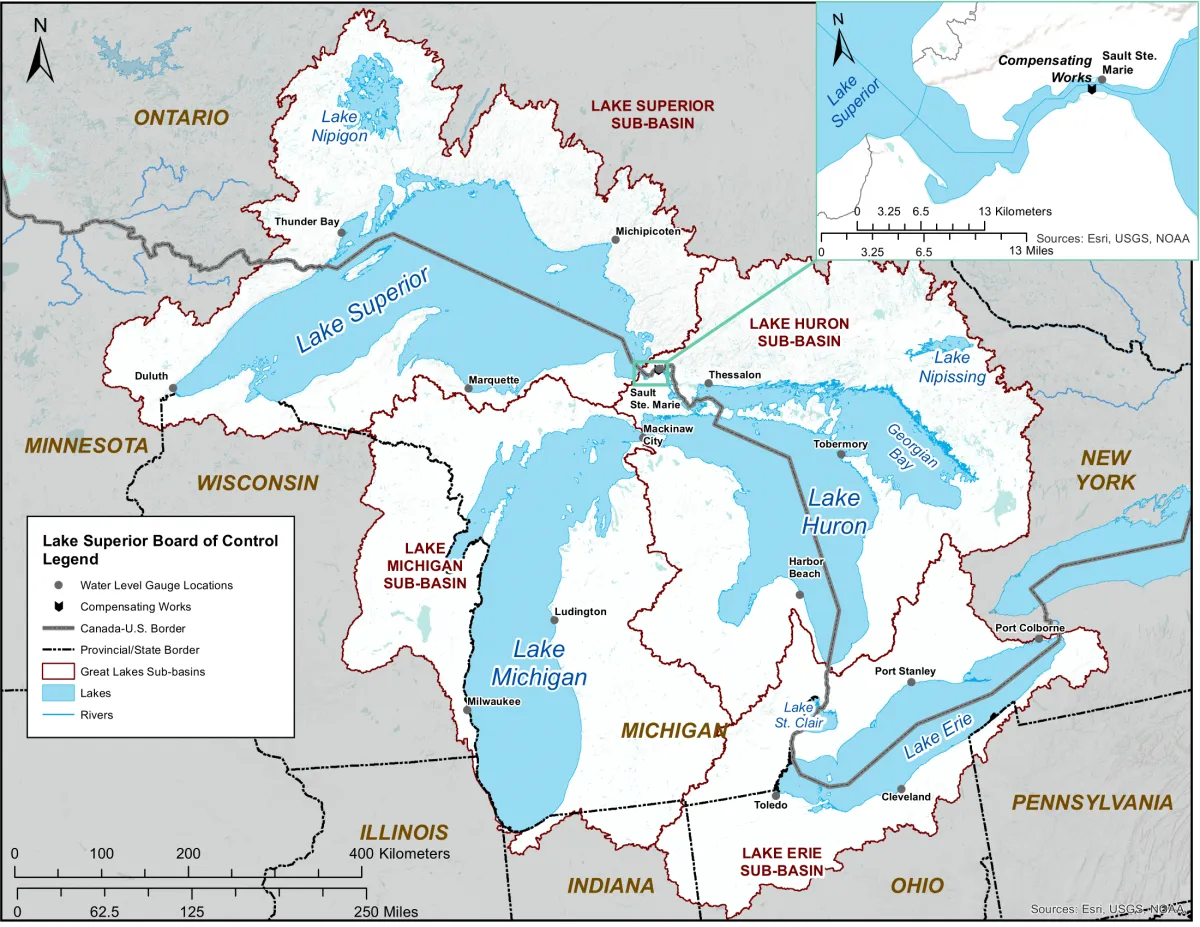 Photo: Lake Superior, via ijc.org
The Practical Details
Booking these properties requires some advance planning, as most operate as small independent hotels with limited room inventory. Many don't participate in major hotel booking platforms, preferring direct reservations through their own websites or by phone.
Prices vary widely depending on location and level of renovation, but most civic building conversions fall into the boutique hotel category — more expensive than chain properties but offering unique experiences that justify the premium. The Jailhouse Inn in Preston, for example, charges $120-180 per night for rooms that would be impossible to replicate in a purpose-built hotel.
Amenities tend to focus on historical authenticity rather than modern luxury. Don't expect resort-style pools or fitness centers, but do anticipate carefully curated period details, local historical exhibits, and staff who can provide extensive background on the building's civic history.
Beyond the Novelty Factor
While the initial appeal of sleeping in a former jail cell or courthouse might seem gimmicky, the best civic building conversions offer something deeper: a tangible connection to American institutional history that's increasingly rare in our modern hospitality landscape.
These buildings witnessed decades or centuries of community life — trials, marriages, civic meetings, and local celebrations. The architecture was designed to embody civic virtues like justice, stability, and democratic participation. Staying overnight in these spaces provides an unusually intimate encounter with those ideals, even when they're wrapped in modern comfort.
The Old Gaol in York, Maine, operates in a colonial-era jail that once held accused witches during the Salem witch trials period. The building's thick stone walls and narrow windows create an atmosphere that no modern construction could replicate. Guests often report that staying there provides a visceral understanding of early American justice systems that no history book could convey.
Planning Your Civic Architecture Road Trip
The best way to experience these converted civic buildings is as part of a broader exploration of American small-town architecture and history. Many are located in communities that also feature historic downtown districts, local museums, and other period buildings worth exploring.
Start your search by looking for accommodations in county seats established in the 19th century — these towns were most likely to have substantial courthouse and jail buildings that later became available for conversion. State historical societies often maintain lists of significant civic architecture that can help identify potential overnight destinations.
Most importantly, book directly with the properties and ask about their historical tours or archival materials. The best civic building conversions are run by proprietors who are genuinely passionate about preserving and sharing their buildings' stories. They're often happy to provide detailed historical background that transforms a simple overnight stay into an educational experience about American community life and institutional history.