The Lost Art of Sidewalk Society: How Front Porch Culture Built America's Neighborhoods
The Evening Migration That Built Communities
Every summer evening until the 1950s, a quiet migration took place across American neighborhoods. As the sun began to set and temperatures cooled, families would drift from their stuffy indoor spaces to the wide wooden platforms that fronted nearly every home in the country. These weren't just architectural features — they were the social operating system of American community life.
The front porch wasn't simply a place to sit. It was a carefully choreographed stage for the most important social ritual most Americans have completely forgotten: the art of being casually, consistently available to your neighbors.
When Architecture Engineered Social Connection
The golden age of American porch culture ran roughly from the 1880s through the 1940s, and it wasn't an accident. Urban planners and architects deliberately designed neighborhoods around the assumption that residents would spend their leisure time in semi-public spaces, visible and accessible to passersby.
Porches were built deep — often 8 to 12 feet — to accommodate multiple generations of a family plus the occasional neighbor who might drop by. They faced the street at an angle that allowed sitters to see approaching visitors while maintaining enough privacy for family conversations. The height was calibrated so that porch-sitters could easily converse with people walking on the sidewalk below.
This wasn't casual design. It was social engineering that actually worked.
The Information Highway Before the Internet
In the days before radio became widespread, and decades before television, the front porch served as the neighborhood's information network. News traveled from porch to porch with remarkable efficiency. Job openings, local gossip, warnings about strangers, recommendations for everything from doctors to dressmakers — all of this essential community intelligence moved through the informal evening gatherings that happened naturally when people made themselves visible and available.
Children learned social skills by watching adults navigate these conversations. Elderly residents stayed connected to community life instead of becoming isolated. New residents were integrated into neighborhood social networks within weeks simply by participating in the evening porch ritual.
It was, historians now recognize, one of the most effective systems of community organization that American culture ever developed.
The Great Indoor Migration
The decline of porch culture happened quickly and completely. Three technological changes converged in the 1940s and 1950s to pull American social life indoors: affordable air conditioning, the rapid adoption of television, and the shift to suburban development patterns that prioritized car access over pedestrian interaction.
Suddenly, comfort meant staying inside. Entertainment came from screens rather than conversations. And new suburban homes were built with garages facing the street and living spaces oriented toward private back yards rather than public front porches.
Within a single generation, a social practice that had defined American neighborhood life for seventy years simply vanished.
The Stubborn Holdouts
Not everywhere, though. Travel through small towns in the South and Midwest, and you'll still find pockets of authentic porch culture. In places like Savannah, Georgia; Madison, Indiana; and countless small towns across the Great Plains, evening porch-sitting never completely disappeared.
These aren't tourist attractions or nostalgic performances. They're functioning social systems where neighbors still gather informally, where local news travels through conversation rather than social media, and where the rhythms of community life still follow the older pattern of making yourself casually available to your neighbors.
Visit these places in summer, and you'll experience something most Americans have forgotten: the particular pleasure of unscheduled social interaction with people you see regularly but don't necessarily know well.
The Accidental Rediscovery
Interestingly, some modern communities are accidentally rediscovering the social benefits of porch culture. New urbanist developments and intentional communities have begun incorporating front porches into their designs, not out of nostalgia but because planners recognize their effectiveness at fostering social connection.
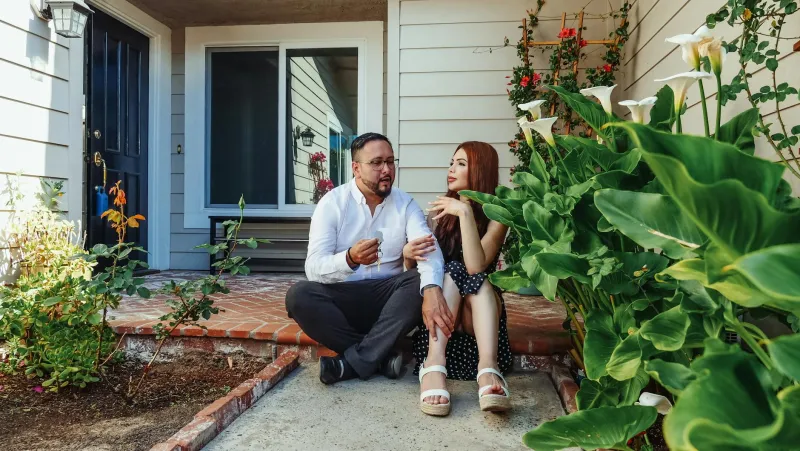
During the COVID-19 pandemic, many Americans spontaneously recreated porch culture as they sought safe ways to maintain social contact. Front steps, balconies, and any available outdoor space became gathering points for socially distanced conversations that felt remarkably similar to the old porch traditions.
What We're Missing
The loss of porch culture represents more than just a change in architecture or leisure habits. It marked the end of a particular kind of social practice: the art of being regularly, predictably available for low-stakes social interaction with your immediate neighbors.
Modern Americans often struggle with social isolation despite being more connected than ever through digital means. We've engineered efficiency and privacy into our daily lives, but we've also engineered out the kind of casual, ongoing social contact that builds genuine community relationships.
The front porch provided something that our current social infrastructure doesn't: a built-in system for the kind of regular, informal interaction that turns neighbors into neighbors rather than just people who happen to live near each other.
The Architecture of Availability
Perhaps the most remarkable thing about porch culture wasn't the socializing itself, but the way it made socializing optional and natural rather than planned and effortful. Simply by sitting on your front porch, you were indicating availability for conversation without committing to any particular social obligation.
This created a social environment where connection could happen organically, without the scheduling and planning that modern social life requires. It was community building that worked precisely because it didn't feel like work.
That's the discovery worth talking about: sometimes the most effective social technologies are the ones that feel completely effortless.