The Town That Wouldn't Wait
Most American towns in the 1880s lived or died by the whims of railroad executives sitting in distant boardrooms. If the tracks came through your community, prosperity followed. If they didn't, you watched neighboring towns boom while yours withered.
But Le Mars, Iowa, refused to play that game.
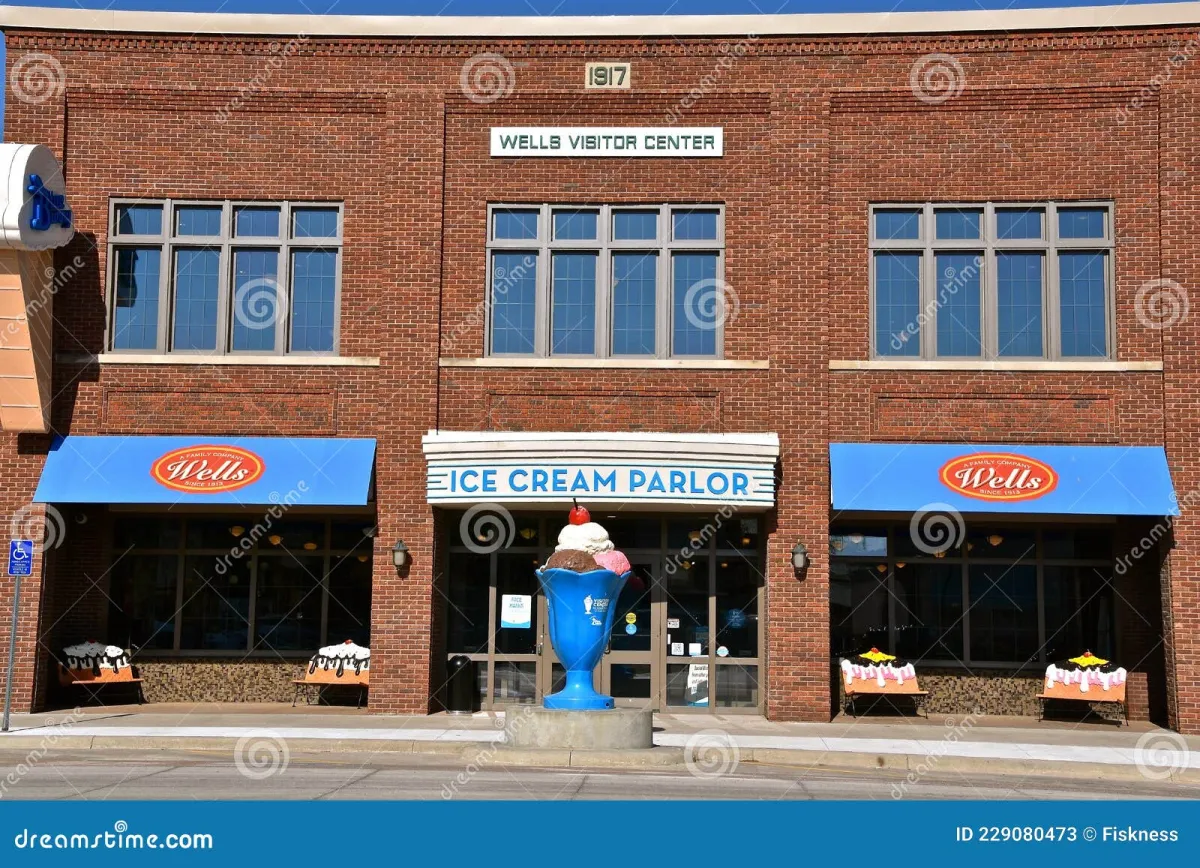 Photo: Le Mars, Iowa, via thumbs.dreamstime.com
In 1883, this scrappy farming community of barely 2,000 residents did something that sounds impossible today: they raised local funds, hired their own engineers, and built a functioning railroad line from scratch. Not only did it work, but it forced the mighty Chicago, Milwaukee & St. Paul Railway to eventually buy them out on terms that made the townspeople wealthy.
The story reads like small-town fantasy, but it actually happened — and it's quietly inspiring a new generation of rural communities facing similar infrastructure challenges.
How Farmers Became Railroad Builders
Le Mars sat in the heart of Iowa's richest farmland, but it might as well have been on the moon. The nearest railroad depot was 25 miles away in Sioux City, meaning farmers had to haul their grain by wagon over rutted dirt roads that turned into impassable mud every spring.
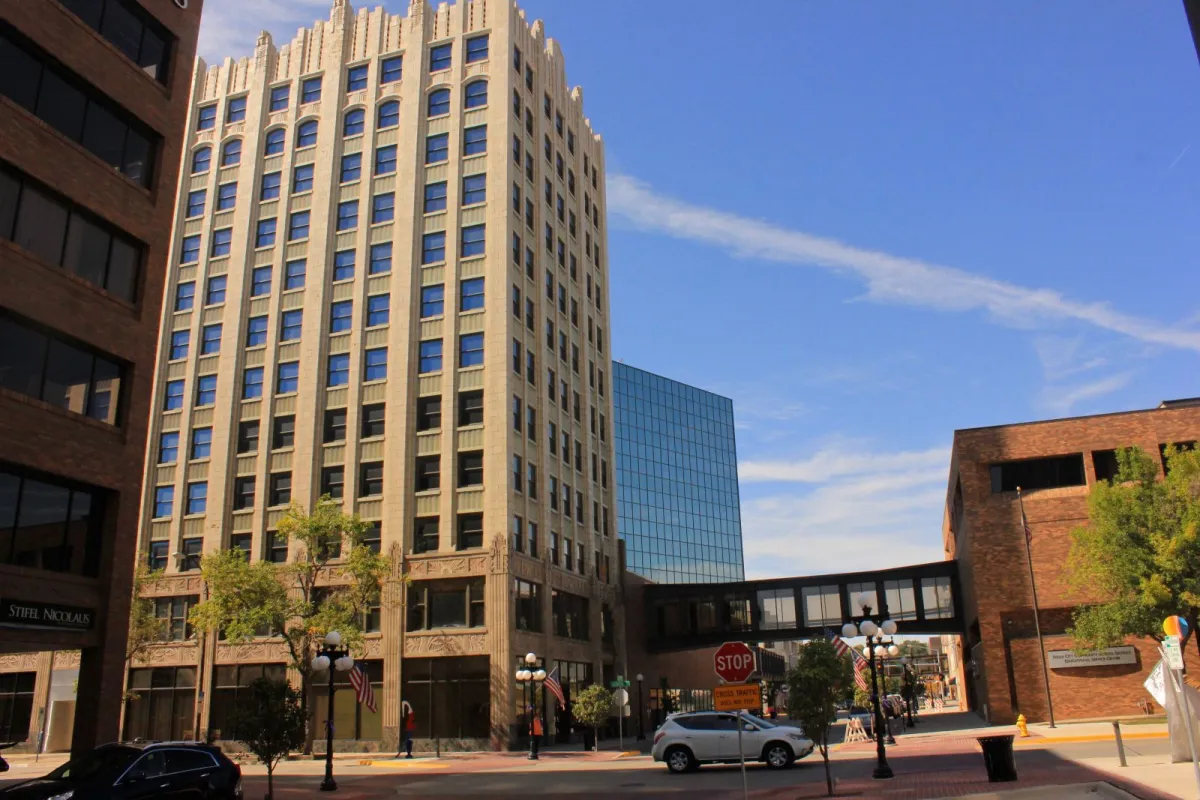 Photo: Sioux City, via locatesiouxcity.com
Local grain dealer James Callanan had watched this frustration build for years. When the Chicago, Milwaukee & St. Paul Railway announced plans for a branch line that would bypass Le Mars entirely, Callanan called a town meeting that would change everything.
"We're not waiting for them to decide our future," he reportedly told the packed crowd at the Methodist church. "We're going to build our own railroad."
The audacity was breathtaking. Railroads required enormous capital, specialized engineering, and political connections that small Iowa towns simply didn't have. But Callanan had done his homework.
The Mechanics of an Impossible Dream
Callanan's plan was surprisingly practical. Instead of building a full railroad, Le Mars would construct what he called a "farmer's line" — a simple 25-mile track connecting their grain elevators directly to the existing network in Sioux City.
The community raised $75,000 through a combination of private subscriptions and municipal bonds. Local farmers contributed labor during slow seasons, learning to grade roadbeds and lay track from a small crew of experienced railroad men hired from Chicago.
They bought used rails and rolling stock from defunct short lines across the Midwest. The locomotives were ancient by railroad standards, but they ran. The passenger cars were basically modified freight cars with wooden benches, but they carried people.
Most importantly, they kept costs low enough that the line could turn a profit hauling grain at rates significantly below what the major railroads charged.
When David Beat Goliath
The Le Mars & Sioux City Railroad began operations in September 1884. Almost immediately, it became clear that this little community railroad was a serious threat to the established order.
Farmers from surrounding counties began hauling their grain to Le Mars instead of the more expensive depots controlled by the major lines. The Chicago, Milwaukee & St. Paul Railway watched their freight revenues plummet across northwestern Iowa.
Within two years, the railroad giant made Le Mars an offer they couldn't refuse: a buyout at triple the community's original investment, plus guaranteed employment for local workers and a commitment to maintain Le Mars as a major depot.
The townspeople voted to accept, but they had proven something remarkable: a determined community could build critical infrastructure on their own terms.
The Modern Echo
The Le Mars story feels like ancient history until you realize that rural communities across America are quietly reviving the same spirit today.
In Kansas, farming towns have banded together to build their own broadband networks when telecom companies ignored them. Minnesota communities have constructed local wind farms to sell power back to the grid. Small towns in Montana have pooled resources to operate their own airports when commercial service disappeared.
The specific technology changes, but the underlying principle remains the same: sometimes the best way to get the infrastructure you need is to build it yourself.
Finding the Forgotten Line
Today, most of the original Le Mars & Sioux City Railroad has been torn up and converted to recreational trails. But if you know where to look, you can still trace the route that once carried the dreams of stubborn Iowa farmers.
The old depot in Le Mars still stands, converted into a local history museum that barely mentions its revolutionary origins. The roadbed is now the Sauk Rail Trail, popular with cyclists who probably have no idea they're riding along one of America's most successful acts of community rebellion.
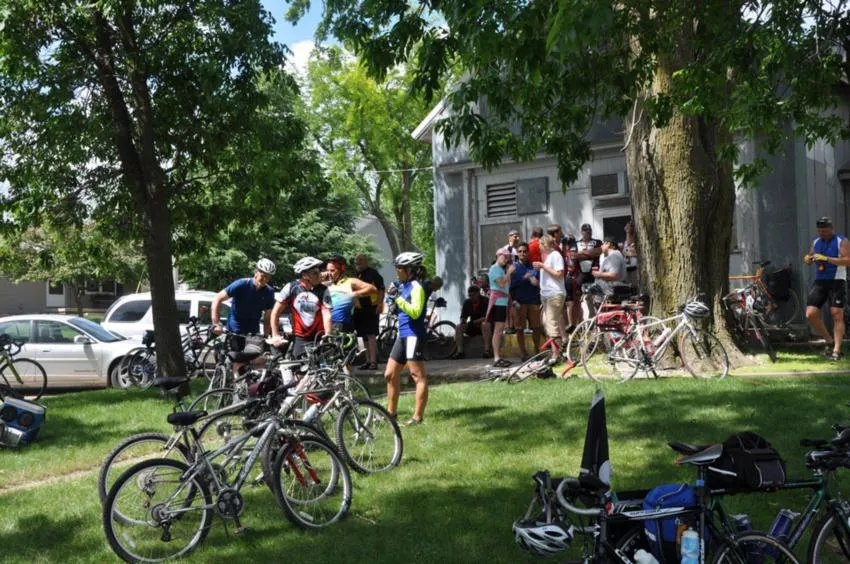 Photo: Sauk Rail Trail, via www.bikeiowa.com
It's a quiet reminder that some of the most important American stories aren't about famous people or major cities. Sometimes they're about ordinary communities that refused to wait for someone else to solve their problems.