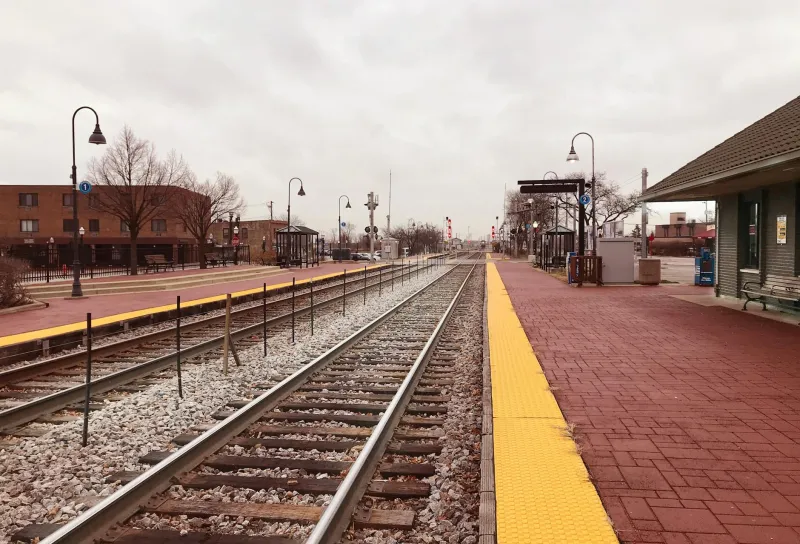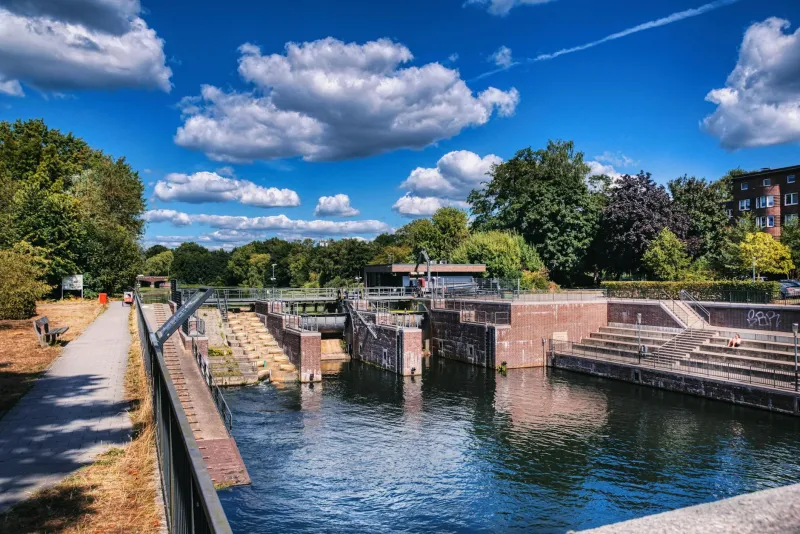
The Parks Hiding in Plain Sight
You've probably driven past a dozen national parks without knowing it. Not the iconic ones with towering entrance gates and gift shops, but the quiet sites tucked into everyday American landscapes — a restored lockhouse beside a suburban bike path, a modest stone building on a college campus, or a small battlefield marker in what looks like someone's backyard.
The National Park Service manages 423 sites across the country, but only 63 are officially designated "National Parks." The other 360 include national monuments, historic sites, battlefields, and preserves that receive a fraction of the attention despite being just as officially part of the system.
Many of these overlooked sites sit right in the middle of towns and cities, free to visit and often unstaffed. They're the park service's best-kept secret, hiding stories that shaped America in places where most people never think to look.
The Canals That Built America
Take the Chesapeake & Ohio Canal National Historical Park, which stretches 184.5 miles from Washington, D.C., to Cumberland, Maryland. While hikers know the C&O towpath as a premier trail, most people miss the dozens of original canal structures still standing along the route.
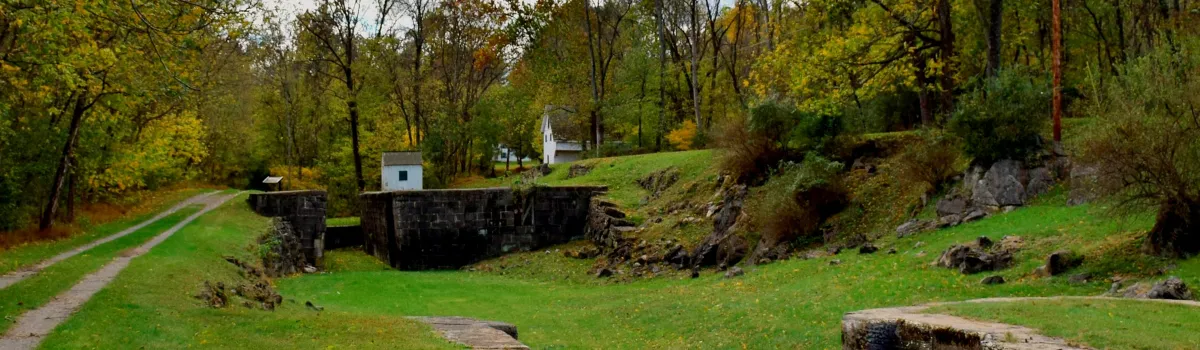 Photo: Chesapeake & Ohio Canal National Historical Park, via static.wixstatic.com
Lock 6 in Glen Echo, Maryland, sits next to a strip mall and a Starbucks. Families push strollers past the restored lockhouse where 19th-century lock keepers once lived, usually without realizing they're walking through a national park that tells the story of how America moved goods before railroads.
The lock mechanism still works. On summer weekends, park volunteers demonstrate the process of raising and lowering canal boats, using the same wooden gates and iron hardware that moved cargo boats in the 1850s. It's a hands-on history lesson that most tourists never discover because there's no entrance station or visitor center to signal its importance.
Battlefields in Suburbia
Civil War battlefields present an even stranger case of hidden history. Antietam National Battlefield in Maryland draws thousands of visitors, but the Monocacy National Battlefield, just 30 miles away, sees a fraction of the crowds despite preserving the site of the "Battle That Saved Washington."
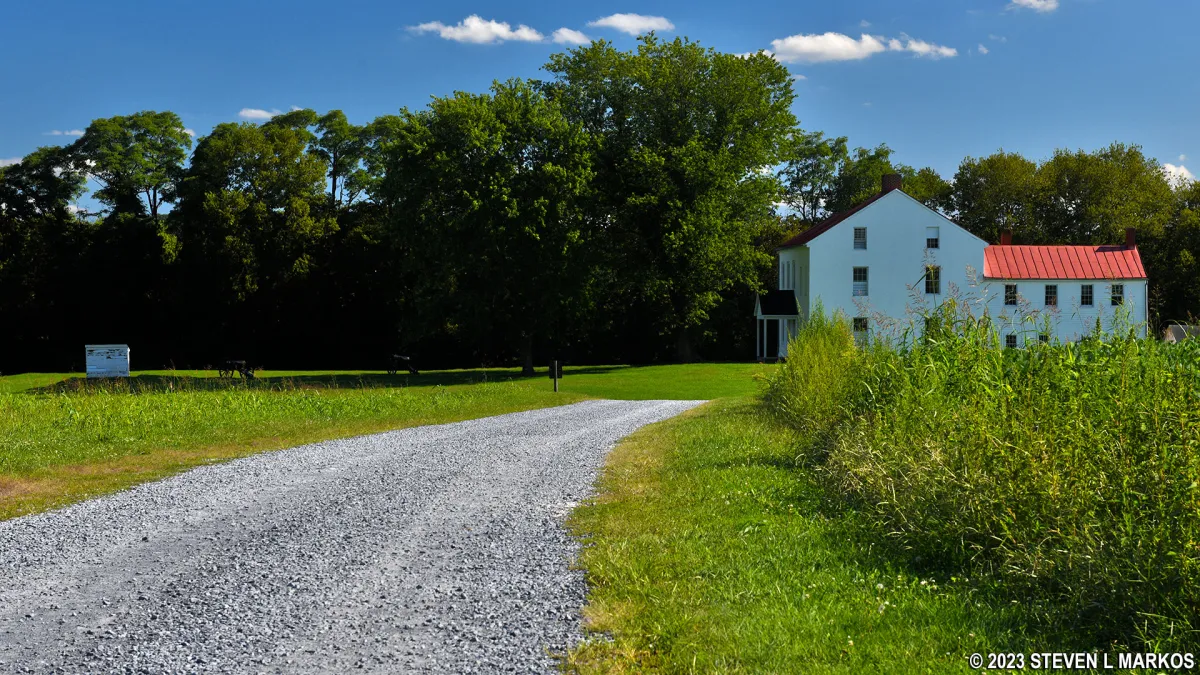 Photo: Monocacy National Battlefield, via npplan.com
The Monocacy battlefield sits partially within Frederick, Maryland's suburban sprawl. You can walk the same ground where Union forces delayed Confederate troops long enough to save the capital, then drive five minutes to a shopping center for lunch. The juxtaposition feels surreal — Civil War monuments sharing space with soccer fields and housing developments.
What makes these battlefield sites remarkable isn't just their history, but how they've been preserved within living communities. At Petersburg National Battlefield in Virginia, the siege lines run through residential neighborhoods. Homeowners mow their lawns up to the edge of earthworks where soldiers once fought.
The Industrial Heritage Nobody Talks About
Some of the most fascinating hidden parks preserve America's industrial past. The Blackstone River Valley National Historical Park spans parts of Massachusetts and Rhode Island, protecting mills and villages that launched the American Industrial Revolution.
The Slater Mill in Pawtucket, Rhode Island — often called the birthplace of American manufacturing — operates as part of the park system but feels more like a local museum. Visitors can watch demonstrations of 19th-century textile machinery and explore worker housing that tells the story of how industrialization changed American life.
Similarly, the Lowell National Historical Park in Massachusetts preserves an entire 19th-century mill city. The park offers canal boat tours and mill tours, but many visitors to downtown Lowell have no idea they're walking through a national park. The historic buildings blend seamlessly with modern shops and restaurants.
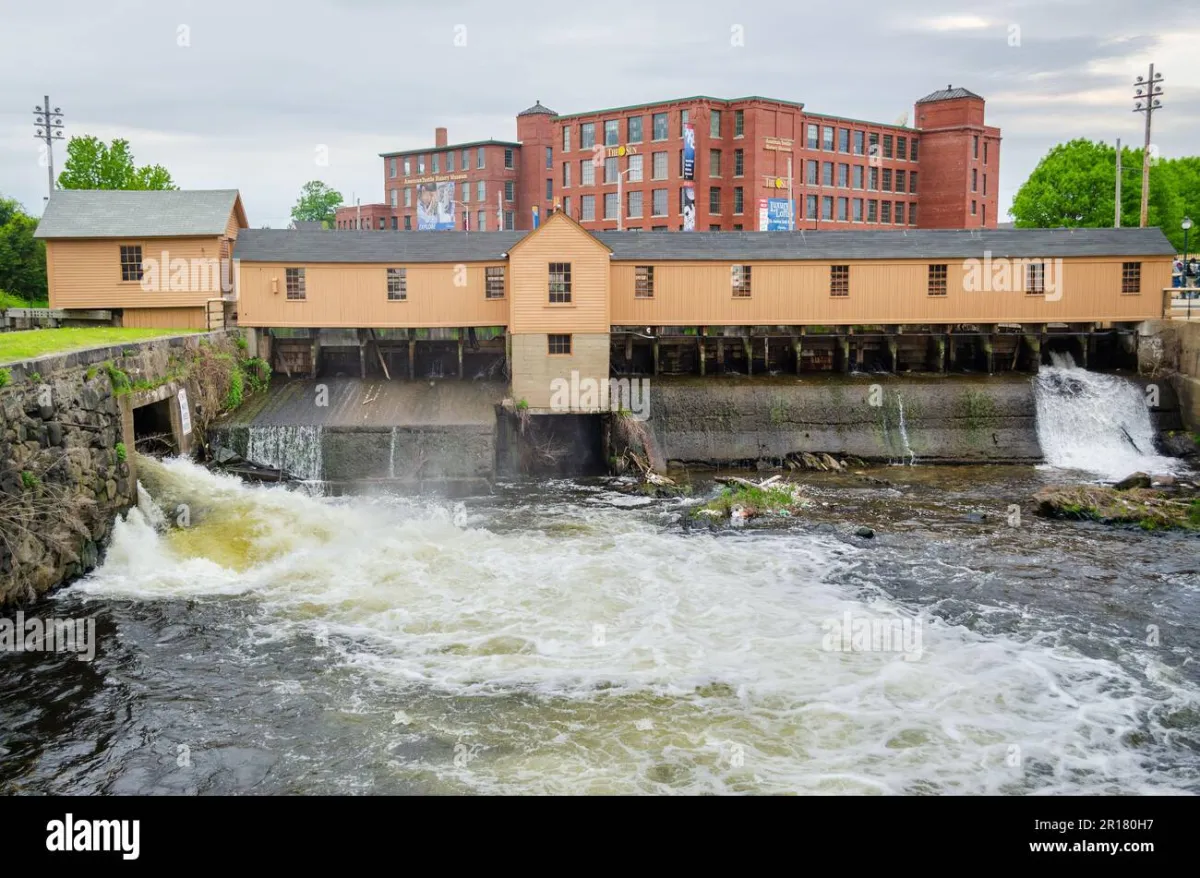 Photo: Lowell National Historical Park, via c8.alamy.com
How to Find Them
The National Park Service's website lists all 423 sites, but the lesser-known ones often lack the detailed information that famous parks provide. Many don't have traditional visitor centers or staffed entrance stations. Some operate through partnerships with local historical societies or state agencies.
Your best strategy is to search for "National Historic Site" or "National Monument" in areas you plan to visit. These designations often indicate smaller, less touristy locations. The NPS app includes GPS coordinates for all sites, including the ones that don't appear on most tourism websites.
Many hidden parks offer self-guided tours via smartphone apps or QR codes posted at key locations. The experience feels more like treasure hunting than traditional tourism — you're discovering pieces of American history that most people overlook.
Why They Matter
These overlooked parks serve a different purpose than their famous counterparts. While Yellowstone and Yosemite preserve natural wonders, the hidden sites preserve cultural landscapes — places where ordinary Americans lived, worked, and shaped the country's development.
They're also more accessible than remote wilderness parks. You can visit most hidden parks during a lunch break or as part of a weekend day trip. They don't require camping reservations or specialized gear, just curiosity about the layers of history embedded in everyday places.
The Best Unknown Parks
Some hidden gems worth seeking out include the Edison National Historical Park in West Orange, New Jersey, where you can tour Thomas Edison's actual laboratory complex. The Pullman National Monument in Chicago preserves the company town that sparked major labor movements. The Steamtown National Historic Site in Scranton, Pennsylvania, offers working steam train rides from a restored railroad yard.
Each tells a piece of the American story that doesn't fit neatly into the wilderness narrative of famous national parks. They remind us that history happened everywhere, not just in remote landscapes or major cities.
The next time you're road-tripping between destinations, check whether any national park sites lie along your route. You might discover that the most interesting stop isn't the famous attraction you planned to visit, but the unmarked piece of history hiding in plain sight.