This Montana Ghost Town Still Has Dishes in the Sink — and Almost Nobody Knows It Exists
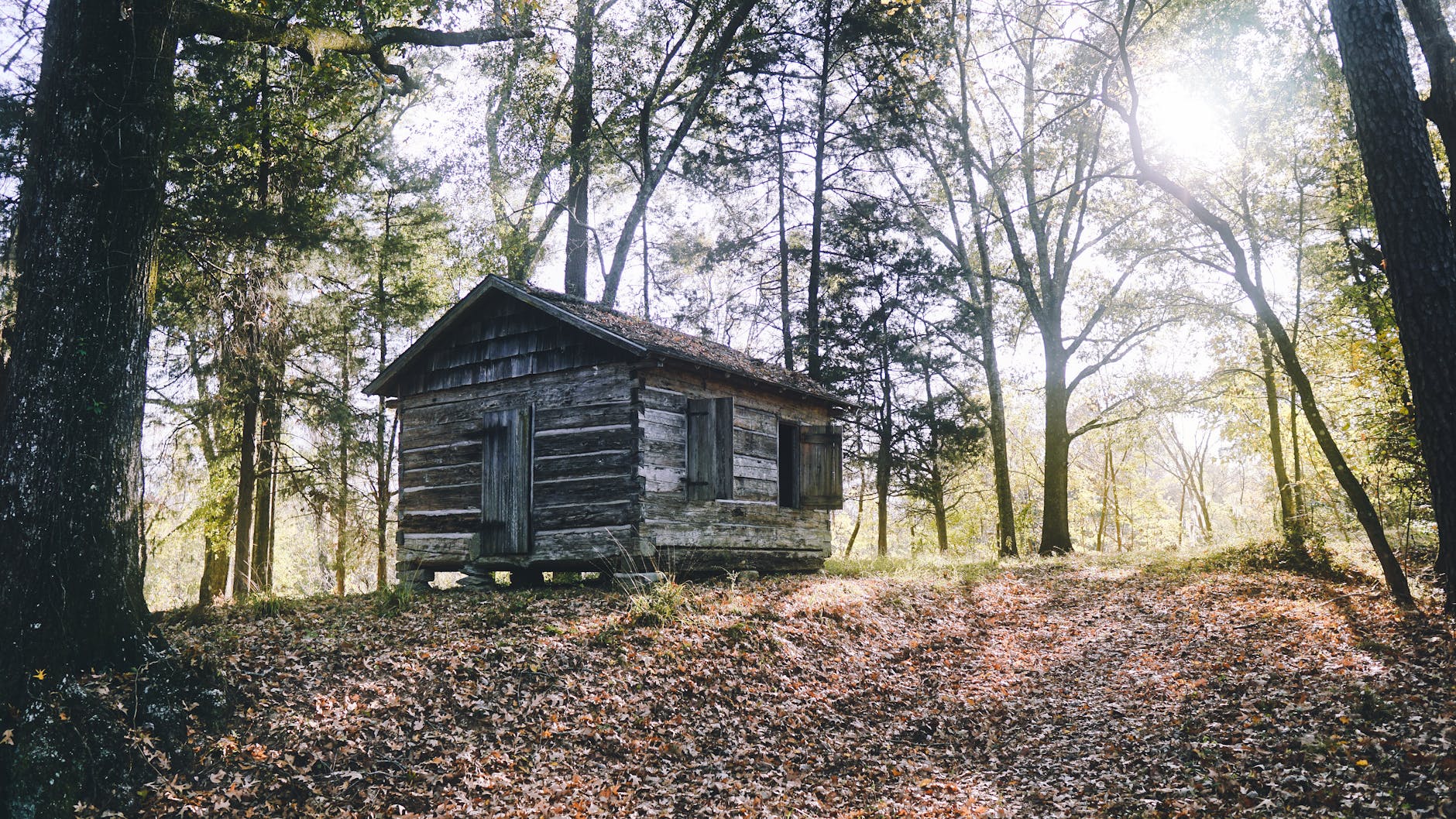
This Montana Ghost Town Still Has Dishes in the Sink — and Almost Nobody Knows It Exists
Most ghost towns deliver the same experience: a few leaning facades, some interpretive signs, and a gift shop selling turquoise jewelry. You snap a photo, you move on. Garnet, Montana is not that.
Tucked into the Garnet Range about 30 miles east of Missoula along a washboard dirt road, this former gold and silver mining settlement sits in a kind of suspended animation that genuinely stops people in their tracks. Cabins still hold iron bedframes with rusted springs. Kitchens still have pots on the stove. A hotel lobby still has its front desk. Nobody staged any of this. Nobody had to. The people who lived here simply left — and the thin mountain air did the rest.
It's one of the most quietly remarkable places in the American West, and somehow, even most Montanans have never made the trip.
How Garnet Happened — and Why It Stuck Around
Garnet's story follows a familiar arc at first. Gold was discovered in the area in the 1860s, and the camp swelled with the usual cast of miners, merchants, and opportunists. By the 1890s it had grown into a proper town with a population pushing a thousand, complete with hotels, saloons, and a school.
Then came the collapses — economic downturns, falling ore prices, a catastrophic fire in 1912 that wiped out much of the original settlement. But Garnet kept getting back up. A second wave of mining activity in the 1930s, driven by the Depression-era spike in gold prices, brought a new generation of residents who rebuilt and repopulated the camp. At its second peak, around 1000 people called Garnet home again.
The final exodus came quietly, as most endings do. By the early 1940s, the mines weren't producing enough to justify staying. Families packed what they could carry and left the rest. The cabins closed. The snow came. And then, for decades, Garnet just sat there.
What saved it from total collapse was an unlikely combination of geography and bureaucracy. The Bureau of Land Management took over management of the site, and because the area was remote enough to discourage casual vandalism and looting, a remarkable amount of the original contents survived intact. The BLM has since worked to stabilize the structures — not restore them, importantly, but stabilize them. The goal is preservation, not recreation. That distinction is everything.
What It Actually Feels Like to Walk Through
Visitors who make the drive — and it is a drive, roughly an hour from Missoula on roads that require a high-clearance vehicle, especially in spring — consistently describe the same disorientation. The word that comes up most often is real.
There are around 30 structures still standing in various states of integrity. Some are shells. Others are startlingly complete. You can peer through windows or step carefully through doorways into spaces that look less like museum exhibits and more like someone's actual home. A child's shoe. A hand-written ledger. Bottles with labels still legible. The intimacy of it catches people off guard in a way that polished historical sites simply don't.
There are no velvet ropes. No audio guides. No actors in period costume explaining the assay process. Just the wind, the creak of old wood, and the strange sensation of being a guest in someone else's abandoned life.
In winter, the site is technically accessible only by cross-country ski or snowmobile, which adds another layer of surreal isolation. A small number of adventure travelers make the winter pilgrimage specifically for that reason.
The Families Behind the Floorboards
What often gets lost in the ghost town narrative is that these weren't anonymous frontier drifters — they were families. The Davisons. The Bryants. The Wallaces. People who raised children here, who buried neighbors here, who built something they expected to last.
Oral histories collected by local historians describe a community with a genuine social fabric: dances at the hotel, a school that ran through the winter, neighbors who helped each other through the brutal Montana cold. The artifacts left behind aren't just curiosities — they're the material evidence of ordinary lives lived in extraordinary circumstances.
That's the part that makes Garnet different from a movie set, even though it absolutely looks like one. The production design is real. The prop department was actual human existence.
Planning Your Visit
Garnet is open to the public from late spring through early fall, weather permitting. A few practical notes worth knowing before you go:
- Getting there: The site is accessed via Garnet Range Road off Highway 200. A high-clearance vehicle is strongly recommended. The road can be rough even in dry conditions.
- Admission: A small fee applies (check the BLM website for current rates). It's genuinely one of the better deals in Montana tourism.
- What to bring: Water, snacks, and solid footwear. There are no services on-site. Cell service is essentially nonexistent.
- Photography: Allowed and encouraged. The light in the late afternoon hits the weathered wood in a way that photographers lose their minds over.
- Cabins to rent: The BLM actually maintains two rustic cabins available for overnight stays. Booking fills up fast in summer — plan ahead.
Garnet isn't on most road-trip itineraries, which is precisely the point. It rewards the people who go looking for something that hasn't been smoothed down for mass consumption. In a travel landscape full of curated experiences, there's something genuinely rare about a place that just is what it is — unvarnished, unrestored, and completely, strangely alive.