There's an Amtrak Route Most Americans Have Never Heard Of — and It Might Be the Best Trip in the Country
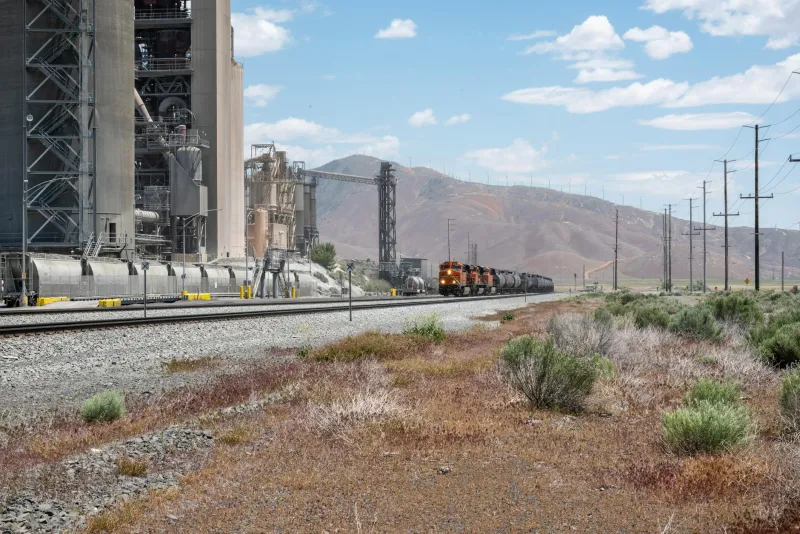
The Train Nobody Talks About
Ask most Americans about taking the train for a long trip and you'll get the same response: a polite laugh and something about how it takes forever. And sure, if you're measuring by pure speed, a cross-country Amtrak journey isn't going to beat a two-hour flight. But speed might be the wrong thing to measure.
The California Zephyr — Amtrak's Chicago-to-San Francisco route — runs roughly 2,400 miles across the middle of the country, taking about 51 hours from start to finish. It passes through the Colorado Rockies, cuts along the canyons of the Colorado River, climbs through the Sierra Nevada, and eventually drops into the Bay Area with the kind of scenery you simply cannot see from 35,000 feet. And here's the part that tends to stop people mid-sentence: a coach seat can cost as little as $150 to $200, depending on when you book. A last-minute flight on the same corridor? Often three times that.
The Zephyr isn't exactly a secret — Amtrak runs it daily — but it's quietly underappreciated in a way that feels almost deliberate. Most travel media ignores it. Most Americans have never seriously considered it. And yet, the people who have taken it tend to talk about it the way others talk about road trips they'll never forget.
What You Actually Get
Let's get the honest part out of the way first: this is not a high-speed rail experience. The Zephyr moves at a leisurely pace, and delays are not uncommon. If you need to be somewhere at a specific time, book a flight. But if what you want is the trip itself — the actual experience of moving through the country rather than being teleported over it — this route delivers something that's genuinely hard to find elsewhere.
Coach seats recline more than anything in economy air travel, and the cars are spacious by comparison. The observation car — a glass-domed lounge that runs along the top of the train — is where most passengers spend their time during daylight hours, watching the landscape shift from the flat Illinois plains to the dramatic rise of the Rockies. There's a dining car serving hot meals. There are power outlets. There's room to walk around.
For those willing to spend more, sleeper roomettes are available — a private cabin with fold-down beds, a window, and meals included in the fare. It's not a luxury hotel, but it's far more comfortable than a red-eye flight, and the experience of falling asleep somewhere in the Nevada desert and waking up in the mountains is the kind of thing people describe years later.
The Devotees Who Already Know
Spend any time in rail travel forums or subreddits and you'll find a community of people who take the Zephyr — and other long-distance Amtrak routes — on something close to a regular rotation. Some are retired travelers who discovered it years ago and never went back to flying for leisure trips. Some are younger travelers who stumbled onto it as a budget option and got hooked on the experience. A surprising number are people who simply don't want to spend three hours at an airport for a two-hour flight.
They share tips the way hikers share trail notes: book the right side of the train heading west for the best canyon views, time your ride so the Rockies crossing happens in daylight, bring snacks but don't skip the dining car at least once. It's a subculture that barely registers in mainstream travel conversation, which is part of what makes discovering it feel like finding something that was hiding in plain sight.
The Part That Surprises People Most
The most consistent thing people say after their first Zephyr trip is that they didn't expect to feel so genuinely relaxed. No security lines. No middle seats. No overhead bin drama. You board, find your seat, and the country starts moving past your window at a pace slow enough to actually take it in.
There's something almost countercultural about it in 2025 — choosing the slower option not because you have to, but because the slowness is exactly the point. The Zephyr covers territory that most Americans only see from the highway or not at all: the canyon country of eastern Utah, the mountain passes of Colorado, the wide agricultural valleys of central California.
It's also worth noting that the route connects real cities with real stops. Denver. Salt Lake City. Reno. You can use it as a point-to-point trip or build a longer journey around it, hopping off for a few days and catching the next train west.
Worth Finding Out For Yourself
The California Zephyr won't be right for every trip. But for anyone who's ever wanted to actually see the interior of this country — not just fly over it — it's one of the more remarkable options hiding in plain sight on Amtrak's route map. Book early for the best fares, grab the observation car before the Rockies, and give yourself permission to just watch the country go by.
Some trips are about the destination. This one is pretty clearly about everything in between.