America's Hidden Highway System: The Flat, Forgotten Trails That Run Right Through Our Towns
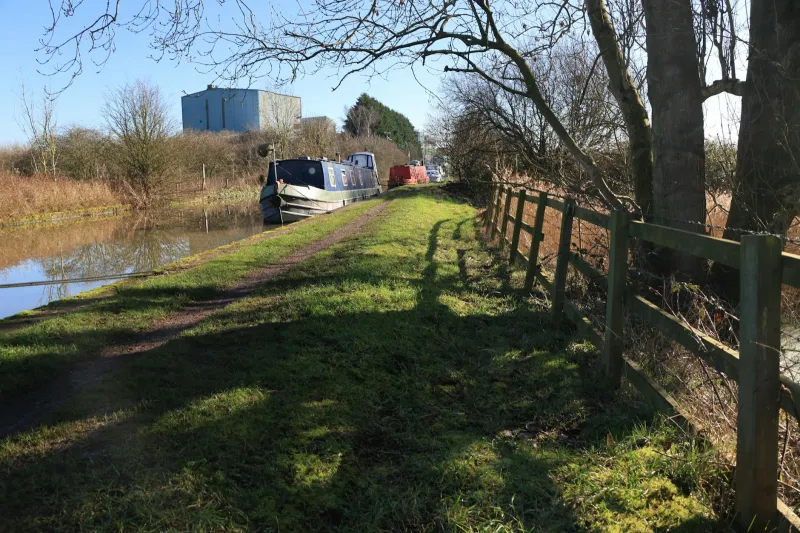
The Secret Routes Hiding in Plain Sight
There's a transportation network in America that most people drive right over without realizing it exists. While you're stuck in traffic on I-77 through Ohio or sitting at a red light in Georgetown, Washington D.C., you're probably within a few hundred yards of a perfectly maintained, completely flat trail that could take you dozens — sometimes hundreds — of miles through landscapes the interstate never touches.
These are America's towpaths: the old mule trails that once ran alongside the canals that moved freight across the country in the 1800s. Today, they've been quietly converted into some of the most remarkable long-distance trails you've never heard of.
When Mules Moved America
Before railroads dominated freight transport, canals were the superhighways of American commerce. Teams of mules walked along narrow paths beside these waterways, pulling boats loaded with coal, grain, and manufactured goods. The mules needed flat, well-maintained routes — and that's exactly what towpath engineers built.
The Ohio & Erie Canal once connected Lake Erie to the Ohio River, moving everything from Cleveland's industrial output to southern Ohio's agricultural products. The Chesapeake & Ohio Canal carried coal and goods between Washington D.C. and Cumberland, Maryland. These weren't just transportation routes; they were the economic lifelines that connected America's growing cities to its natural resources.
When railroads made canals obsolete, most of these waterways were abandoned. But here's the remarkable part: many of the towpaths remained, and local communities have spent decades quietly converting them into trails.
What Makes These Trails Different
Unlike most hiking trails, towpaths were built for working animals carrying heavy loads. That means they're engineered to be flat, wide, and well-drained — perfect for cyclists, walkers, and anyone who wants to cover serious distance without dealing with steep climbs or rocky terrain.
The Ohio & Erie Canal Towpath Trail runs 87 miles from Cleveland to New Philadelphia, cutting through the heart of Ohio's Cuyahoga Valley National Park. You'll pass through small towns like Peninsula and Boston Township, where you can still see original canal locks and aqueducts. The trail surface is mostly crushed limestone — smooth enough for road bikes but sturdy enough for any type of wheel.
In Maryland and Washington D.C., the C&O Canal Towpath stretches 184.5 miles from Georgetown to Cumberland. This isn't just a trail; it's a time machine. You'll walk alongside the actual canal (much of it still holds water), pass through 74 lift locks, and cross aqueducts that are marvels of 19th-century engineering.
The Towns the Interstate Forgot
What makes towpath travel truly special is how these routes connect communities that the highway system bypassed. Small canal towns like Harpers Ferry, West Virginia, or Zoar, Ohio, were once bustling commercial centers. Today, they're quiet gems that most travelers never see because they're not visible from the interstate.
These towns often have the infrastructure that canal commerce required: historic inns, general stores, and restaurants that catered to canal workers and travelers. Many have been restored and still serve trail users today. It's like discovering a parallel version of America where commerce moved at walking speed and communities developed around waterways instead of highway exits.
A Different Way to See America
Towpath travel offers something that both highway driving and traditional hiking can't: the ability to cover significant distance while staying connected to local communities and historical landscapes. You're not isolated in a car or deep in wilderness — you're moving through the industrial and agricultural heart of America at a pace that lets you actually see it.
The trails typically pass through urban areas, suburbs, small towns, and countryside, often within the same day's journey. You might start your morning in downtown Cleveland, have lunch in a restored canal town, and end your day camping beside the actual canal that once carried Ohio's coal to market.
Why Nobody Talks About This
Part of the reason towpaths remain relatively unknown is that they don't fit neatly into standard travel categories. They're not wilderness experiences, but they're not city tourism either. They're not challenging enough for serious hikers, but they're too long and remote for casual day-trippers.
Most travel guides focus on either urban attractions or natural destinations. Towpaths are something else entirely: industrial heritage corridors that happen to pass through some of the most interesting landscapes in America.
Getting Started
Both major towpath systems have excellent trail infrastructure. The Ohio & Erie Canal Towpath has multiple access points, parking areas, and even a bike rental system in some sections. The C&O Canal offers camping options, including some sites that are only accessible by foot or bike — giving you a sense of what travel felt like when these routes were working transportation corridors.
The best part? These trails connect to other trail systems, Amtrak stations, and urban transit networks. You can literally step off a train in Washington D.C. and start walking toward Maryland on the same path that mule teams used 150 years ago.
While most Americans are rediscovering these routes one weekend at a time, a few are starting to use them the way they were originally intended: as genuine transportation corridors that connect places worth going. That might be the most remarkable discovery of all.