When American Road Trips Meant Sleeping Above the Gas Pump — The Vanished World of Traveler's Roosts
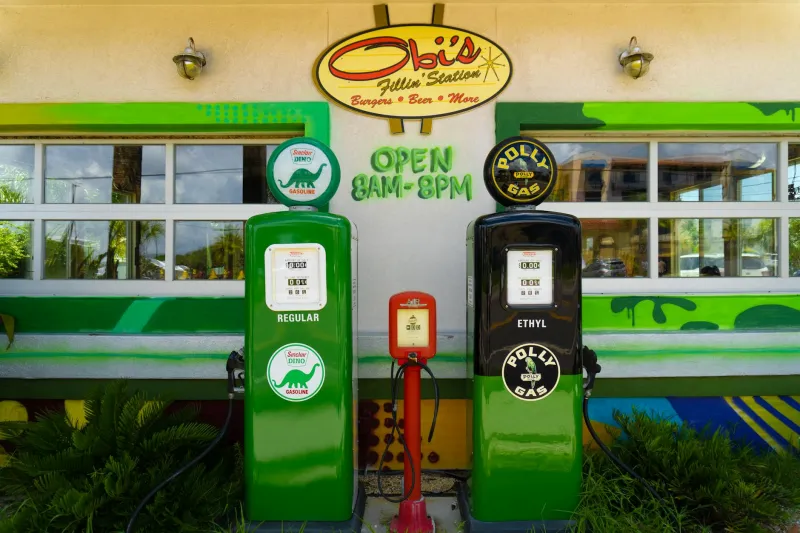
Picture this: You're driving cross-country in 1948, following a patchwork of state highways through small-town America. Your gas gauge is running low, your stomach's growling, and dusk is settling over unfamiliar territory. But instead of scanning for separate establishments for fuel, food, and lodging, you pull into a single humble building where hand-painted signs promise "Gas • Eats • Beds" — and the same person who pumps your fuel will serve you dinner and hand you a room key.
Welcome to America's forgotten traveler's roosts, the quirky all-in-one roadside institutions that once defined how we explored our own country.
The Swiss Army Knife of American Hospitality
Before the interstate highway system carved up America into predictable strips of chain hotels and franchise restaurants, the nation's back roads were dotted with these remarkable hybrids. Part gas station, part diner, part inn — and entirely family-run — traveler's roosts filled a unique niche in American travel culture that we've never quite replicated.
These weren't your typical mom-and-pop operations. They were strategic outposts positioned at crucial crossroads, mountain passes, and desert stretches where travelers genuinely needed everything these places offered. The proprietors didn't just run businesses; they served as unofficial travel agents, weather forecasters, and local historians all rolled into one.
"Mrs. Henderson knew every back road between here and Denver," recalls 78-year-old Robert Mills, whose family stopped regularly at a Colorado roost during 1950s summer trips. "She'd draw little maps on napkins, mark where the road washed out after storms, even tell you which towns had the friendliest mechanics if your car was acting up."
More Than Convenience — It Was Community
What made traveler's roosts special wasn't their efficiency, though bundling services certainly made sense for both owners and guests. It was the deeply personal hospitality culture they fostered. Unlike today's anonymous travel stops, these places thrived on relationships — not just with repeat customers, but with the stream of strangers passing through.
The dining rooms became impromptu information exchanges where travelers compared routes, shared road conditions, and swapped recommendations. Proprietors often kept informal logs of which roads were passable, where construction delays might add hours to a journey, and which nearby attractions were worth the detour.
"You'd sit down for breakfast and end up talking to a family from three states over about the best way to avoid mountain traffic," remembers longtime traveler Margaret Chen, whose parents owned a California roost in the 1940s. "People planned their whole trips around conversations they had at our counter."
The overnight accommodations were typically modest — clean, simple rooms above or behind the main building — but they came with something chain motels couldn't offer: local expertise. Guests didn't just get a place to sleep; they got insider knowledge about their onward journey.
The Interstate's Unintended Consequence
The decline of traveler's roosts wasn't gradual — it was swift and decisive. When the Federal-Aid Highway Act of 1956 launched construction of the interstate system, it didn't just change how Americans traveled; it completely restructured the economics of roadside hospitality.
Interstate highways bypassed the small towns and rural crossroads where roosts had thrived, funneling traffic toward standardized service plazas and chain establishments. The new system prioritized speed and predictability over the serendipitous discoveries that had made pre-interstate travel memorable.
"Within ten years, most of the old roosts were either abandoned or converted to single-purpose businesses," explains transportation historian Dr. Sarah Whitman. "The interstate system was incredibly efficient, but it eliminated the geographical chokepoints that had made these hybrid businesses viable."
The cultural shift was just as dramatic. Interstate travel transformed road trips from adventures requiring local knowledge into standardized experiences where every exit offered familiar brands and predictable services. We gained efficiency but lost the intimate, community-centered hospitality that had defined American travel.
Signs of a Quiet Revival
Interestingly, some modern travelers are actively seeking experiences that echo the old roost culture. Boutique motor lodges, farm-stay operations, and "slow travel" movements all tap into a growing desire for more personal, locally-connected travel experiences.
Several western states have seen entrepreneurs attempt modern versions of the traveler's roost concept — combining electric vehicle charging stations with local restaurants and unique accommodations. While they can't recreate the original model's geographical advantages, they're banking on travelers' hunger for authentic, place-based experiences.
"People are tired of every travel stop feeling identical," notes hospitality consultant Mark Torres. "There's definitely appetite for places that offer genuine local character and personal service, even if it means sacrificing some convenience."
What We Lost Along the Highway
The disappearance of traveler's roosts represents more than just a shift in business models — it marked the end of a travel culture that valued discovery, personal connection, and local knowledge over speed and predictability. These humble establishments understood something profound about human nature: that the journey itself could be as memorable as the destination, especially when it included genuine encounters with the places and people along the way.
Today's travelers might cover more ground more efficiently, but they rarely experience the kind of serendipitous hospitality that once defined American road trips. In our rush to get somewhere, we've largely forgotten the simple pleasure of being welcomed as both stranger and temporary neighbor — gas tank filled, belly satisfied, and local wisdom shared over coffee and hand-drawn maps.