The Reading Revolution Nobody Talks About
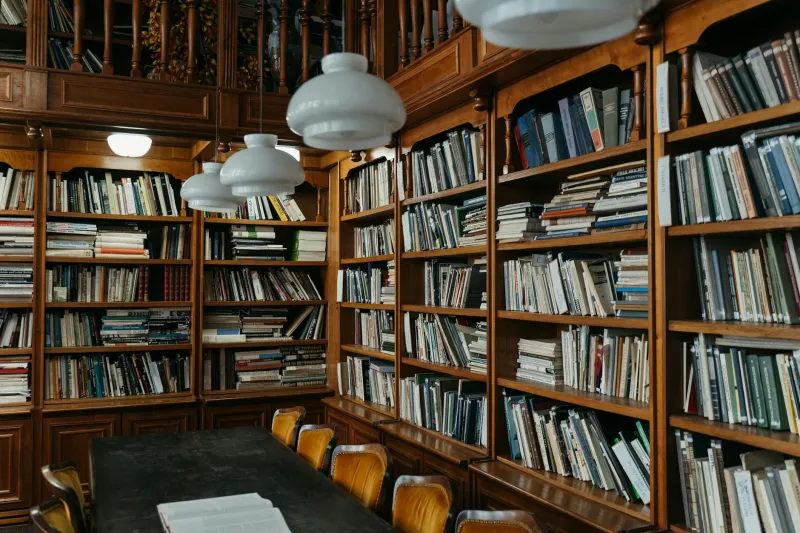
Walk into the Redwood Library & Athenaeum in Newport, Rhode Island, and you might think you've stumbled into someone's elegant private study. The mahogany shelves, marble busts, and hushed atmosphere feel more like a gentleman's club than a public institution. That's because it isn't public — and never was.
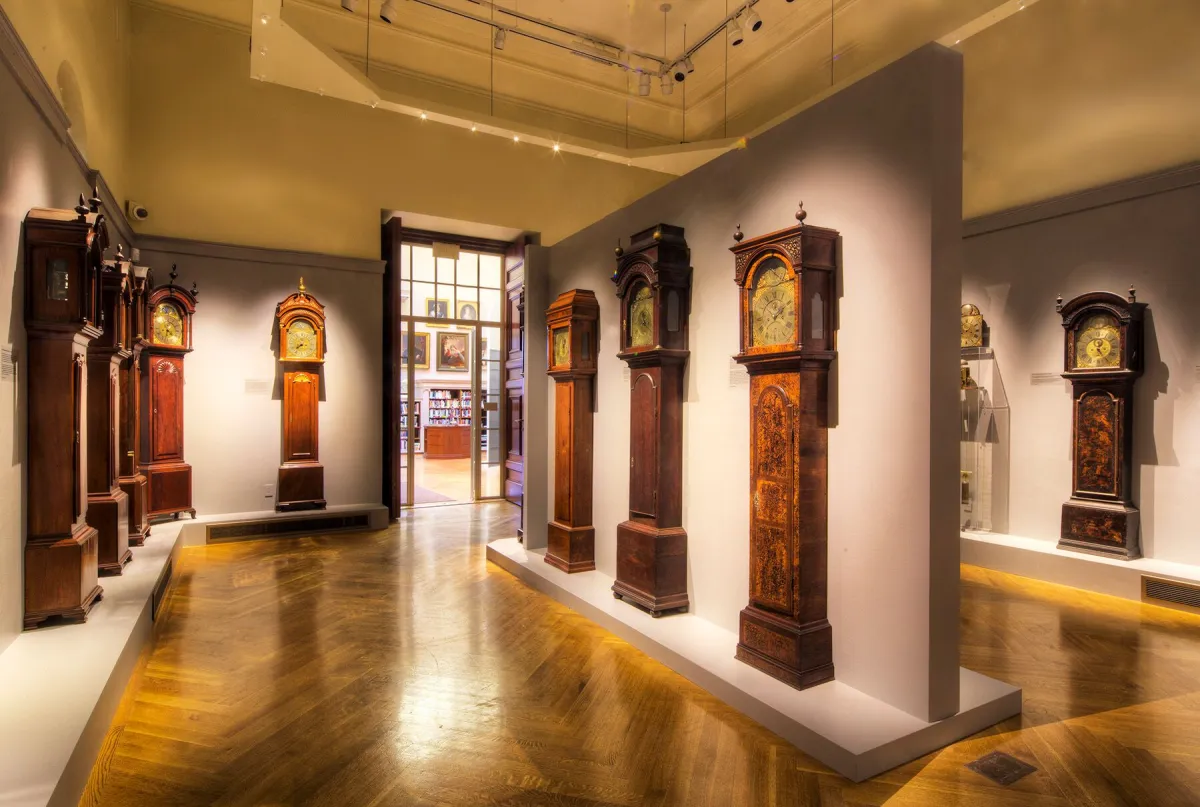 Photo: Redwood Library & Athenaeum, via redwoodlibrary.org
Founded in 1747, the Redwood Library is one of America's oldest subscription libraries, a type of institution that predates public libraries by more than a century. Members pay an annual fee (currently $75) for borrowing privileges, just as their predecessors have done for nearly 280 years.
Most Americans have no idea these places exist, but subscription libraries were once the backbone of American literacy. Before Andrew Carnegie started funding public libraries in the 1880s, communities that wanted books had to pool their resources and create their own reading rooms.
How Book Sharing Built Communities
The concept was brilliantly simple. Instead of each family buying their own expensive books — remember, a single volume could cost a week's wages — neighbors would contribute to a shared collection. Everyone chipped in a few dollars annually, elected a board of trustees, and suddenly had access to hundreds of titles they could never afford individually.
These weren't just lending libraries. They were social institutions where farmers discussed agricultural techniques gleaned from scientific journals, where young women accessed novels their parents might not approve of, and where entire communities debated the ideas shaping the young nation.
The Juvenile Library Society of Ackworth, New Hampshire, founded in 1894, still operates from a single room above the town's general store. For $10 a year, members can borrow from a collection that includes everything from Mark Twain first editions to contemporary mysteries. The library's handwritten ledgers, dating back to its founding, reveal fascinating patterns: which books sparked town-wide discussions, how reading tastes evolved through world wars and economic depressions.
The Survivors
While most subscription libraries closed or converted to public institutions during the 20th century, about two dozen continue operating across the country. They've survived by adapting without losing their essential character.
The Mechanics' Institute Library in San Francisco, founded in 1854, maintains its subscription model while offering modern amenities like digital databases and chess tournaments. Members pay $150 annually to access not just books, but a community of serious readers in the heart of downtown.
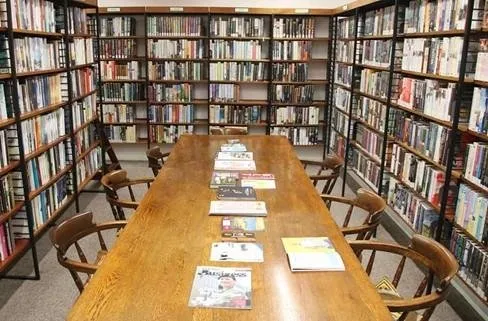 Photo: Mechanics' Institute Library, via images.squarespace-cdn.com
In rural Vermont, the Brookfield Library Association has operated continuously since 1864 from a white clapboard building that doubles as a community center. Annual membership costs $25, and the library still uses a card catalog system that somehow feels more personal than digital searches.
What Made Them Special
Subscription libraries fostered a different relationship with books than modern libraries do. Because members had financial skin in the game, they took ownership seriously. They debated acquisitions, organized lectures, and created reading groups that lasted decades.
The libraries also reflected their communities' values and interests in ways that modern public libraries, bound by broader mandates, sometimes cannot. The Portico Library in Manchester, New Hampshire, built its collection around the interests of its textile-worker members. The result was an unusually strong collection of technical manuals, labor history, and immigrant literature that major libraries overlooked.
Visiting the Past
Most surviving subscription libraries welcome visitors, though policies vary. Some offer day passes or guest privileges. Others require membership but allow prospective members to tour the facilities.
The experience of browsing these collections feels different from visiting a public library. The books show wear patterns that reflect genuine community reading habits rather than institutional acquisition policies. Marginalia reveals conversations between readers across generations. Card catalogs preserve the handwritten recommendations of long-dead librarians who knew their collections intimately.
Why They Matter Now
In an era of digital everything, these libraries offer something increasingly rare: proof that communities can successfully manage shared intellectual resources. They demonstrate that people will pay for quality when they have a voice in what that quality looks like.
Several communities have recently revived the subscription library model, recognizing its potential for creating more engaged, sustainable institutions. The Little Free Library movement borrows heavily from subscription library principles, though without the membership structure that made the originals so durable.
Finding Them
Most subscription libraries don't advertise heavily — they've never needed to. Word of mouth and loyal membership have sustained them for generations. The Association of Subscription Libraries maintains a directory, though it's not comprehensive.
Your best bet for finding one is to ask at local historical societies or check with longtime residents in older communities, particularly in New England where the tradition runs deepest. Many operate in buildings that look like private homes or occupy upper floors of commercial buildings, making them easy to miss.
These quiet institutions represent something remarkable: proof that Americans once trusted their neighbors enough to pool resources for the common good, and evidence that such trust, properly structured, can last for centuries. In a fractured age, that might be the most valuable discovery of all.