The Accidental Climatologists
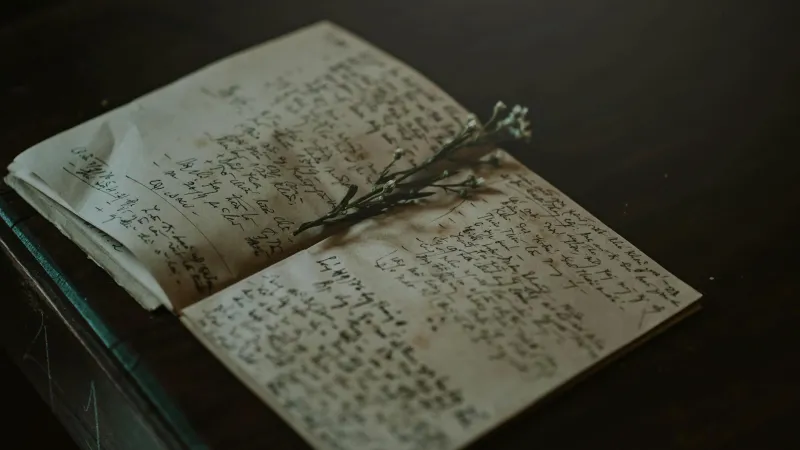
In a farmhouse attic outside Topeka, Kansas, researchers recently discovered something more valuable than antique furniture or family photographs: 127 years of daily weather observations, meticulously recorded in bound ledgers by five generations of the same farming family.
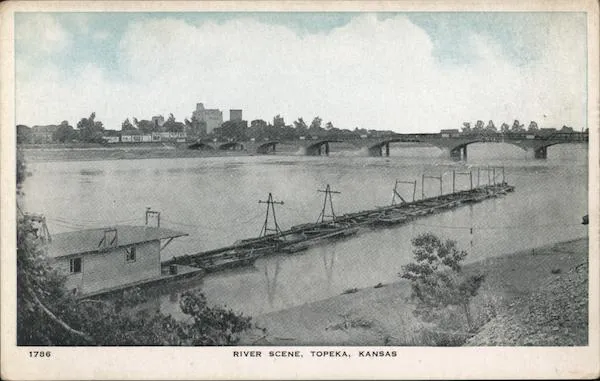 Photo: Topeka, Kansas, via www.cardcow.com
Every single day from 1894 to 2021, someone in the Hartley family noted the temperature, rainfall, wind direction, and sky conditions. They recorded frost dates, storm patterns, and seasonal changes with the precision of trained meteorologists — because their livelihood depended on reading the sky correctly.
The Hartley records are just one example of thousands of similar weather diaries that American farmers kept as a matter of survival. These handwritten archives, now scattered across attics and historical societies, represent the most comprehensive long-term climate record in American history. The problem is that most of them are disappearing faster than scientists can find them.
Why Farmers Became Weather Experts
Before modern forecasting, farming was essentially an elaborate gamble against the weather. Farmers needed to know when to plant, when to harvest, and when to protect crops from frost. The difference between a good year and financial ruin often came down to reading weather patterns correctly.
So they wrote everything down. Morning temperature. Afternoon conditions. Wind direction. Rainfall amounts measured in rain gauges they built themselves. Many farmers developed personal coding systems to capture subtle weather variations that mattered for their specific crops and locations.
These weren't casual observations. Farmers often recorded weather data multiple times per day, creating datasets that rival modern weather stations in their detail and consistency. Some families passed the responsibility down through generations, creating unbroken records spanning a century or more.
The Scientific Gold Mine
Dr. Martha Reynolds, a climatologist at Colorado State University, leads a project called the American Weather Memory Initiative, which hunts down and digitizes historical weather diaries. What her team has discovered challenges assumptions about historical climate patterns.
"These diaries capture weather events that happened between official weather stations," Reynolds explains. "They show us how climate varied across specific valleys, hilltops, and microclimates that government weather services never monitored."
The farmer observations often reveal weather patterns that official records missed entirely. During the Dust Bowl era, government weather stations recorded the broad outlines of drought conditions, but farmer diaries captured the day-by-day reality of dust storms, failed rains, and temperature extremes that varied dramatically across short distances.
One diary from a Nebraska wheat farmer recorded 47 separate dust storms during 1934 — events that barely register in official weather data because they were too localized or brief for the sparse network of government weather stations to capture.
What They're Learning
The diaries are revealing surprising details about how American weather has changed over the past 150 years. Farmer records show that spring temperatures began warming earlier than official data suggested, and that rainfall patterns shifted more dramatically between decades than modern climate models predicted.
In the Pacific Northwest, fruit grower diaries reveal that cherry blossom timing — a sensitive indicator of temperature changes — has shifted by nearly two weeks over the past century. This level of detail helps scientists understand how climate change affects agricultural timing in ways that broad regional data can't capture.
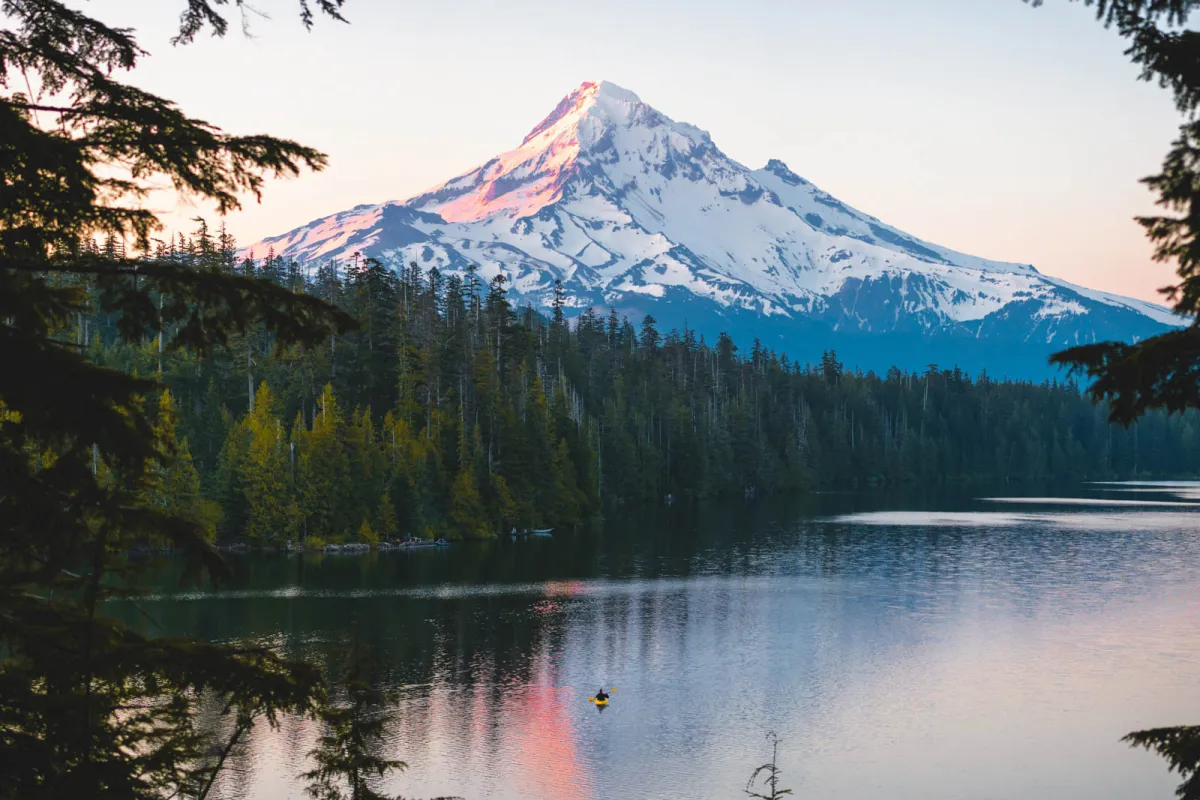 Photo: Pacific Northwest, via cdn.naturettl.com
The records also document extreme weather events that predate modern meteorological equipment. A dairy farmer in Vermont kept detailed records of ice storms, including damage assessments and recovery times that help modern emergency planners understand the historical frequency and impact of severe weather.
The Race Against Time
The challenge facing researchers is time. Every year, more weather diaries disappear as farms are sold, families move, and older generations pass away without realizing the scientific value of their ancestors' record-keeping.
Reynolds estimates that thousands of significant weather diaries still exist in private hands, but locating them requires detective work. Her team searches estate sales, contacts historical societies, and follows leads from agricultural extension agents who remember seeing old weather records.
"We're essentially doing climate archaeology," she says. "These records exist, but they're scattered across the country in places we'd never think to look."
The digitization process is painstaking. Each page must be photographed, and the handwritten entries must be transcribed and verified. Some farmers used personal abbreviations or symbols that require interpretation. Others switched between measurement systems or changed their recording methods over time.
Modern Implications
The farmer diaries are proving crucial for understanding long-term climate trends and validating climate models. Modern weather data only goes back about 150 years for most locations, and really detailed records only exist for the past 50-75 years. The farmer observations extend that record significantly and provide ground-truth data for climate models.
The records are also helping agricultural researchers understand how crops responded to historical weather patterns. This information is valuable for developing climate-adapted farming techniques and predicting how agriculture might need to change as climate patterns shift.
Some of the most valuable diaries come from regions that are now heavily developed. A fruit farmer's weather records from what is now Silicon Valley provide the only detailed climate data for that region before urbanization changed local weather patterns.
How to Help
Researchers are asking Americans to check their own family records and local historical societies for weather diaries. Even incomplete records or short-term observations can be scientifically valuable, especially from regions where few records exist.
The American Weather Memory Initiative accepts digital photos of weather diary pages and helps coordinate preservation efforts. They're particularly interested in records from the western United States, where fewer farmer diaries have been discovered, and from the period before 1900, when official weather records were sparse.
The Wisdom in the Details
What makes these farmer records so valuable isn't just their scientific precision, but their human context. These weren't abstract measurements — they were survival data recorded by people whose livelihoods depended on understanding weather patterns.
The diaries capture not just what the weather was like, but how it affected real communities. They document droughts through the eyes of farmers watching their crops fail, and harsh winters through the experiences of families struggling to keep livestock alive.
In an era of satellite data and computer models, these handwritten records remind us that climate science ultimately comes down to understanding how weather affects human lives. The farmers who kept these diaries were the original citizen scientists, and their forgotten observations are helping us understand the climate crisis we face today.